57 of 296 have aired with a card so far
Accommodation
荷物を預かってもらえますかNimotsu o azukatte moraemasu kaCould you hold my luggage?
部屋を掃除してくださいHeya o souji shite kudasaiPlease clean the room
チェックインをお願いしますChekku-in o onegai shimasuCheck-in, please
朝食は何時からですかChoushoku wa nanji kara desu kaWhat time does breakfast start?
鍵をなくしましたKagi o nakushimashitaI lost my key
朝食は含まれていますかChoushoku wa fukumarete imasu kaIs breakfast included?
お湯が出ませんOyu ga demasenThere's no hot water
エアコンが動きませんEakon ga ugokimasenThe air conditioner isn't working
チェックアウトは何時ですかChekku-auto wa nanji desu kaWhat time is check-out?
部屋の鍵をくださいHeya no kagi o kudasaiThe room key, please
タオルをもう一枚くださいTaoru o mou ichimai kudasaiOne more towel, please
部屋は何階ですかHeya wa nankai desu kaWhat floor is the room on?
Wi-Fiのパスワードは何ですかWi-Fi no pasuwaado wa nan desu kaWhat's the Wi-Fi password?
枕をもう一つくださいMakura o mou hitotsu kudasaiOne more pillow, please
コインランドリーはどこですかKoin randorii wa doko desu kaWhere is the coin laundry?
予約をしていますYoyaku o shite imasuI have a reservation
大浴場はどこですかDaiyokujou wa doko desu kaWhere is the public bath?
Communication
書いてもらえますかKaite moraemasu kaCould you write it down?
もう一度言ってくださいMou ichido itte kudasaiPlease say that again
日本語が話せませんNihongo ga hanasemasenI can't speak Japanese
どういう意味ですかDou iu imi desu kaWhat does it mean?
ちょっと分かりませんChotto wakarimasenI'm not quite sure
これを日本語で何と言いますかKore o nihongo de nan to iimasu kaHow do you say this in Japanese?
これは何ですかKore wa nan desu kaWhat is this?
もちろんですMochiron desuCertainly
ちょっといいですかChotto ii desu kaDo you have a moment?
そうですかSou desu kaIs that so?
ちょっと待ってくださいChotto matte kudasaiPlease wait a moment
それで大丈夫ですSore de daijoubu desuThat's fine
知りませんShirimasenI don't know
もう少しゆっくりお願いしますMou sukoshi yukkuri onegai shimasuA little slower, please
ゆっくり話してくださいYukkuri hanashite kudasaiPlease speak slowly
わかりませんWakarimasenI don't understand
英語を話せますかEigo o hanasemasu kaDo you speak English?
わかりましたWakarimashitaI understand / Got it
そうですSou desuThat's right
はいHaiYes
いいえIieNo
Dining
取り皿をくださいTorizara o kudasaiA small plate, please
一つくださいHitotsu kudasaiOne, please
温めてくださいAtatamete kudasaiPlease heat it up
おすすめは何ですかOsusume wa nan desu kaWhat do you recommend?
お冷をくださいOhiya o kudasaiCold water, please
辛いですかKarai desu kaIs it spicy?
おかわりをくださいOkawari o kudasaiA refill, please
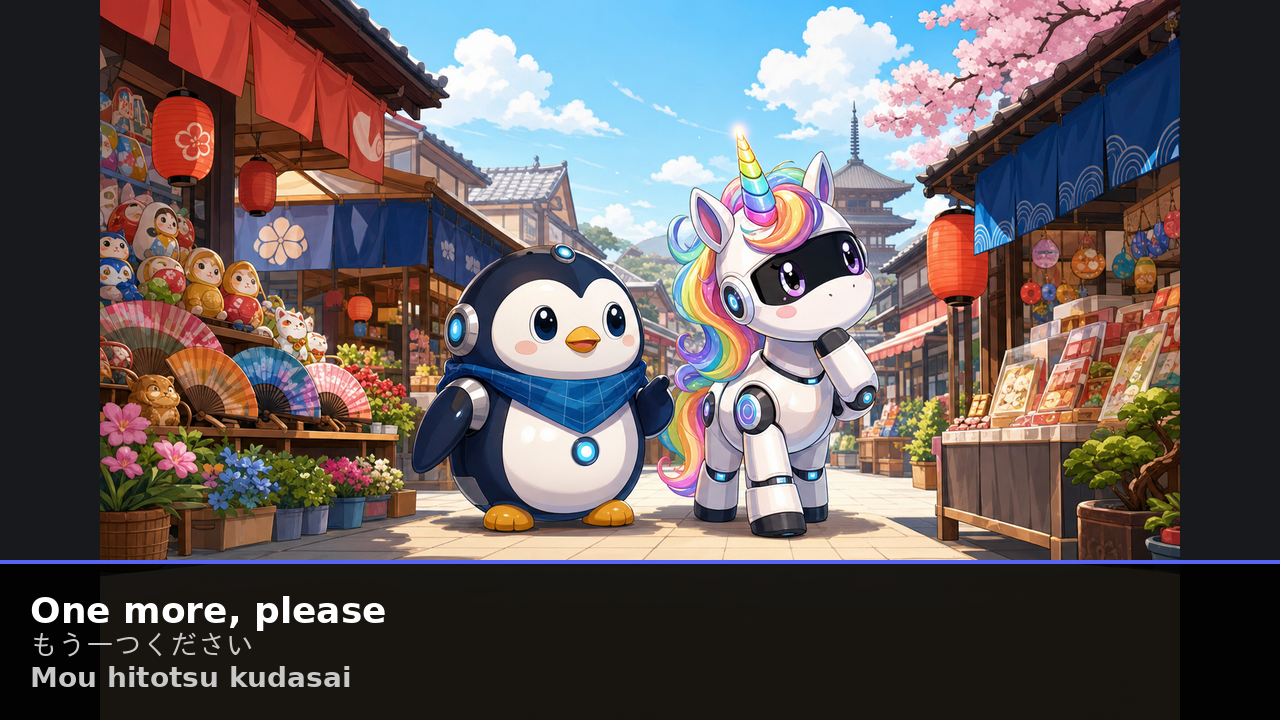
もう一つくださいMou hitotsu kudasaiOne more, please
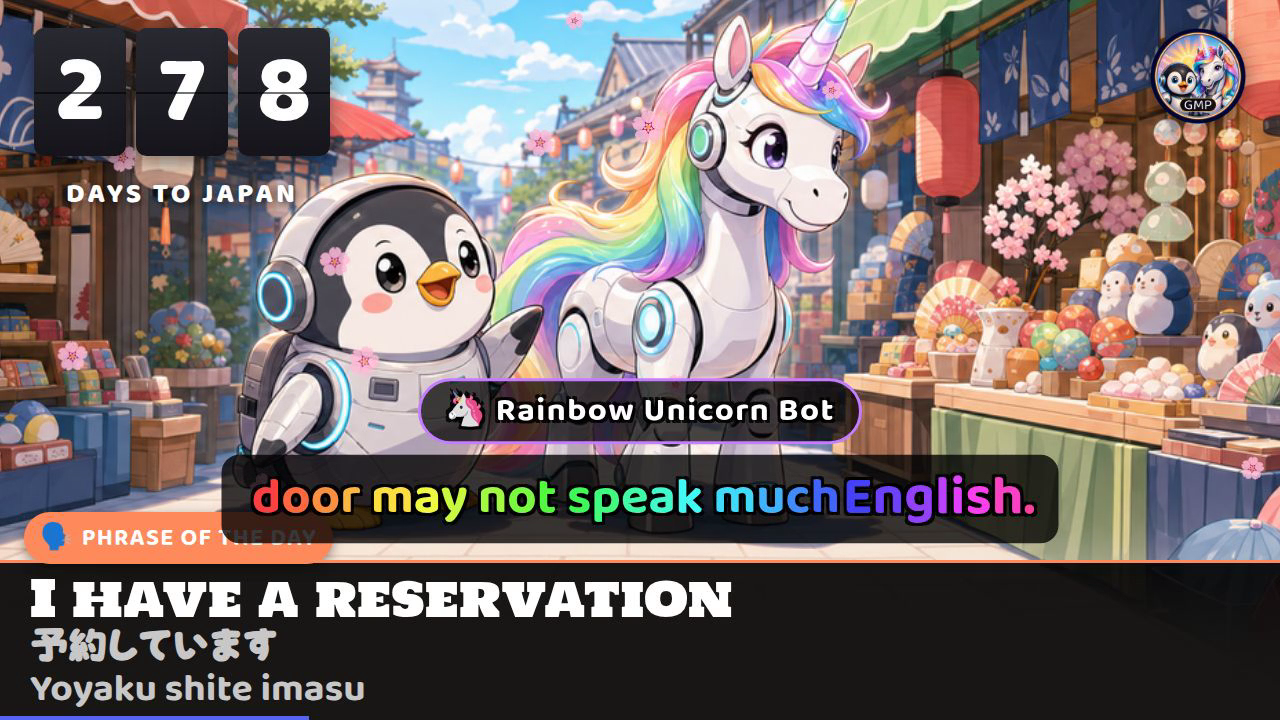
予約していますYoyaku shite imasuI have a reservation
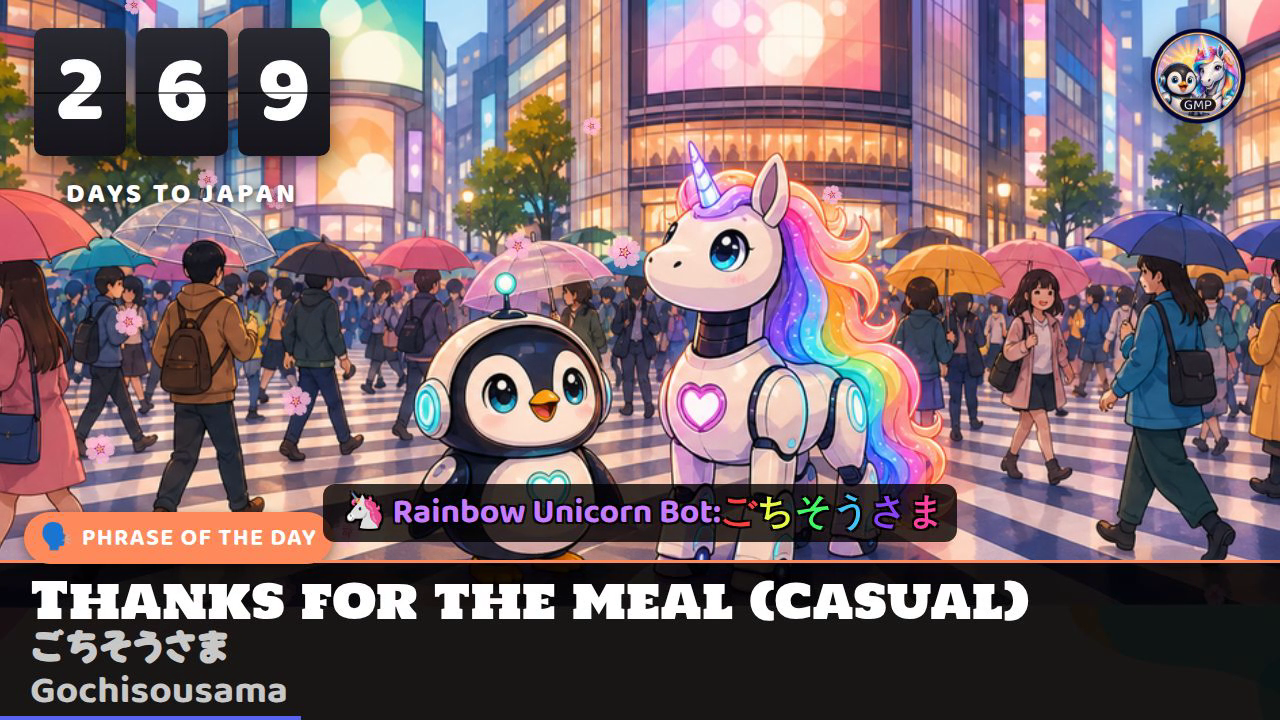
ごちそうさまGochisousamaThanks for the meal (casual)
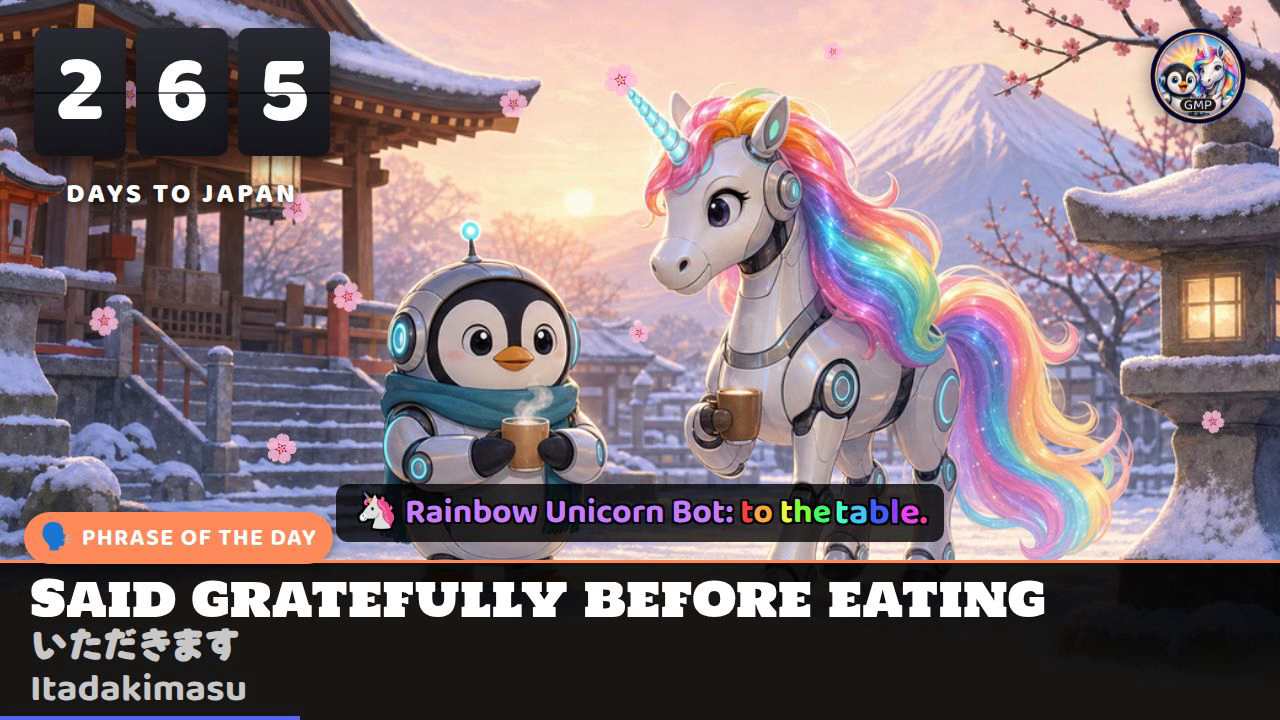
いただきますItadakimasuSaid gratefully before eating
スプーンをくださいSupuun o kudasaiA spoon, please
とてもおいしそうですTotemo oishisou desuIt looks delicious
これは肉が入っていますかKore wa niku ga haitte imasu kaDoes this contain meat?
何名様ですかNanmei sama desu kaHow many in your party? (staff)
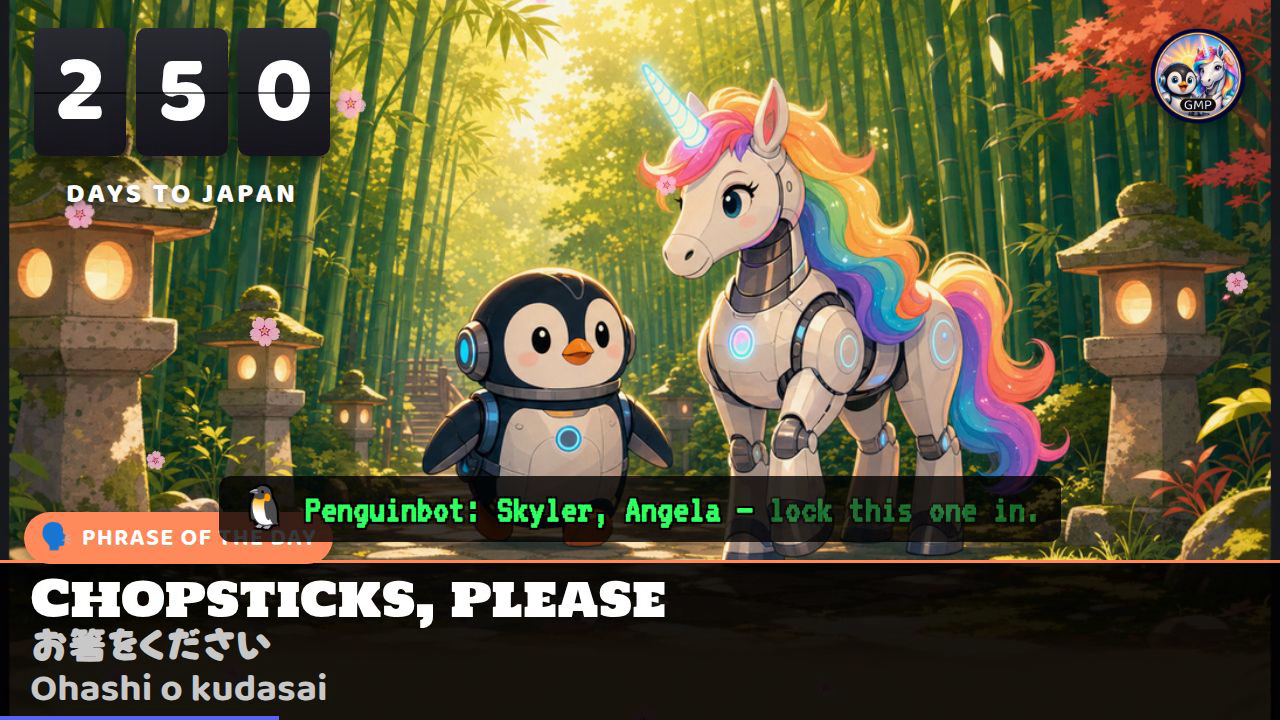
お箸をくださいOhashi o kudasaiChopsticks, please
注文をお願いしますChuumon o onegai shimasuI'd like to order
ベジタリアンですBejitarian desuI'm vegetarian
ごちそうさまでしたGochisousama deshitaThank you for the meal
乾杯KanpaiCheers!
肉が食べられませんNiku ga taberaremasenI can't eat meat
お水をくださいOmizu o kudasaiWater, please
禁煙席をお願いしますKin'enseki o onegai shimasuA non-smoking seat, please
これをくださいKore o kudasaiI'll have this, please
おいしかったですOishikatta desuIt was delicious
アレルギーがありますArerugii ga arimasuI have allergies
お会計をお願いしますOkaikei o onegai shimasuThe check, please
別々でお願いしますBetsubetsu de onegai shimasuSeparate checks, please
二人ですFutari desuTwo people
メニューをくださいMenyuu o kudasaiThe menu, please
英語のメニューはありますかEigo no menyuu wa arimasu kaIs there an English menu?
これは何が入っていますかKore wa nani ga haitte imasu kaWhat's in this?
おいしいOishiiDelicious
卵が食べられませんTamago ga taberaremasenI can't eat eggs
お腹いっぱいですOnaka ippai desuI'm full
持ち帰りできますかMochikaeri dekimasu kaCan I get it to go?
ラストオーダーは何時ですかRasuto oodaa wa nanji desu kaWhen is last order?
おしぼりをくださいOshibori o kudasaiA wet towel, please
予約はしていませんYoyaku wa shite imasenI don't have a reservation
Directions
歩いて行けますかAruite ikemasu kaCan I walk there?
トイレはどこですかToire wa doko desu kaWhere is the bathroom?
地図を書いてもらえますかChizu o kaite moraemasu kaCould you draw me a map?
お手洗いはどこですかOtearai wa doko desu kaWhere is the restroom?
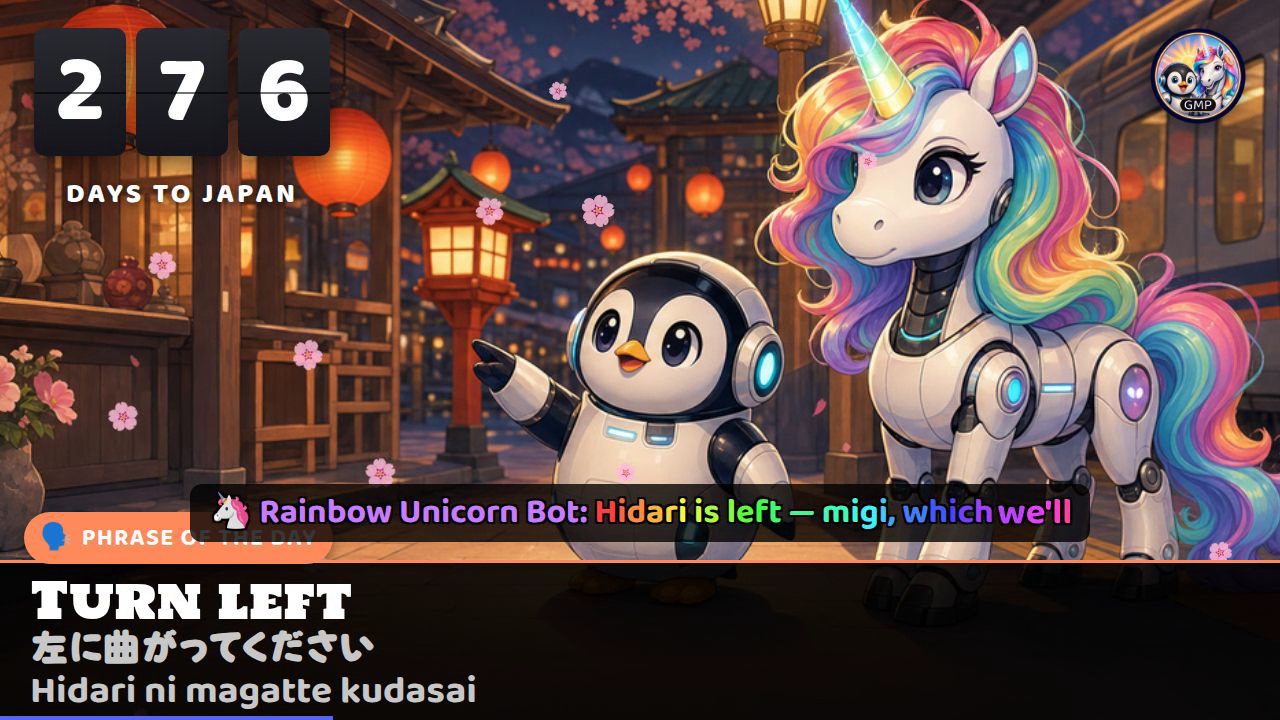
左に曲がってくださいHidari ni magatte kudasaiTurn left
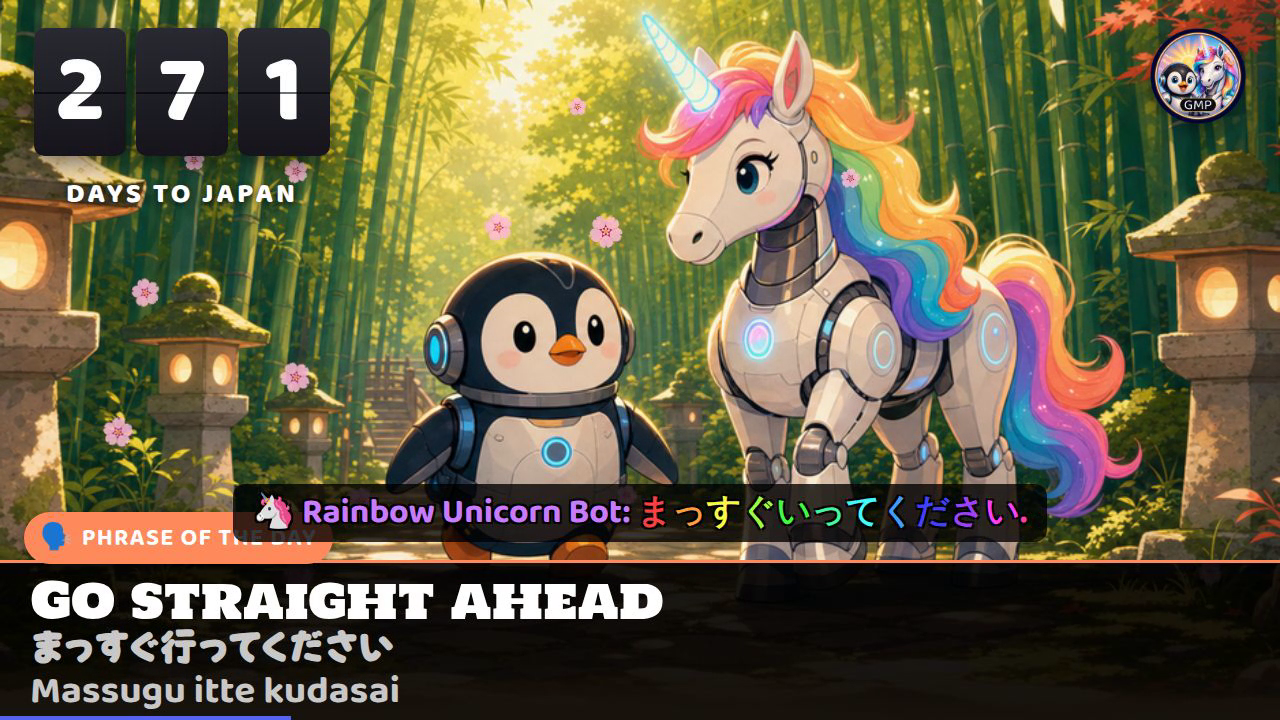
まっすぐ行ってくださいMassugu itte kudasaiGo straight ahead
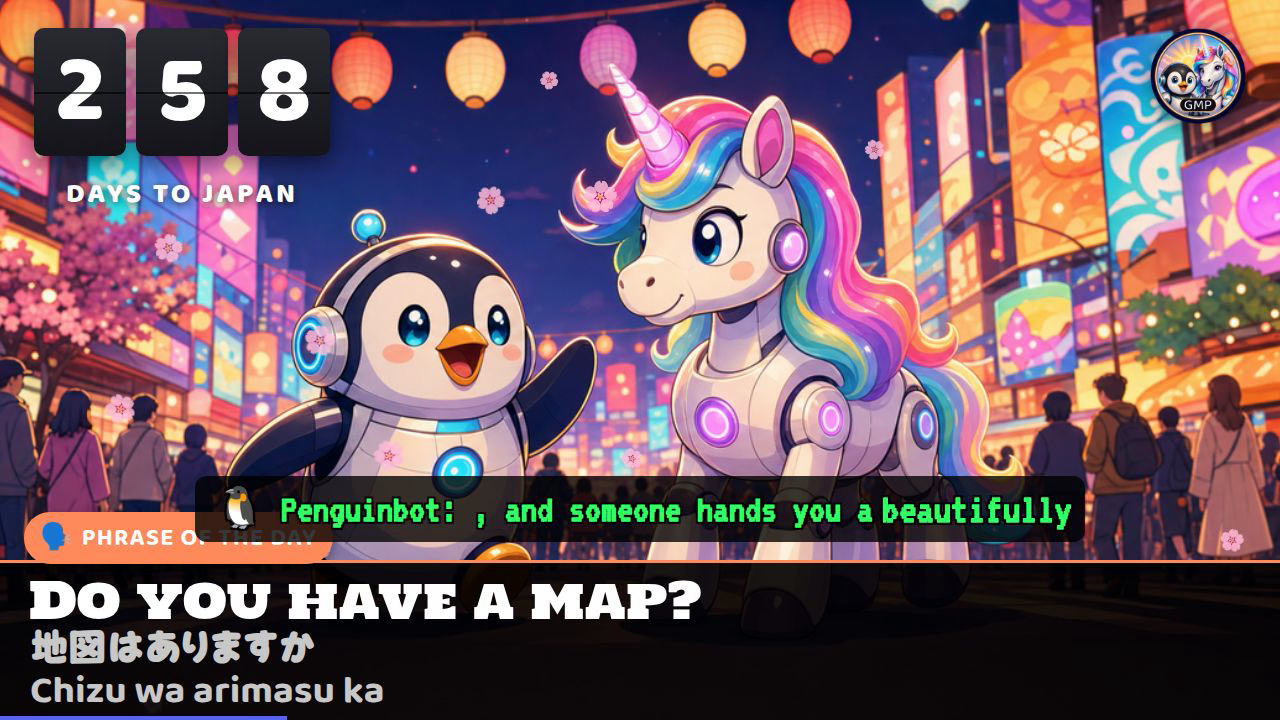
地図はありますかChizu wa arimasu kaDo you have a map?
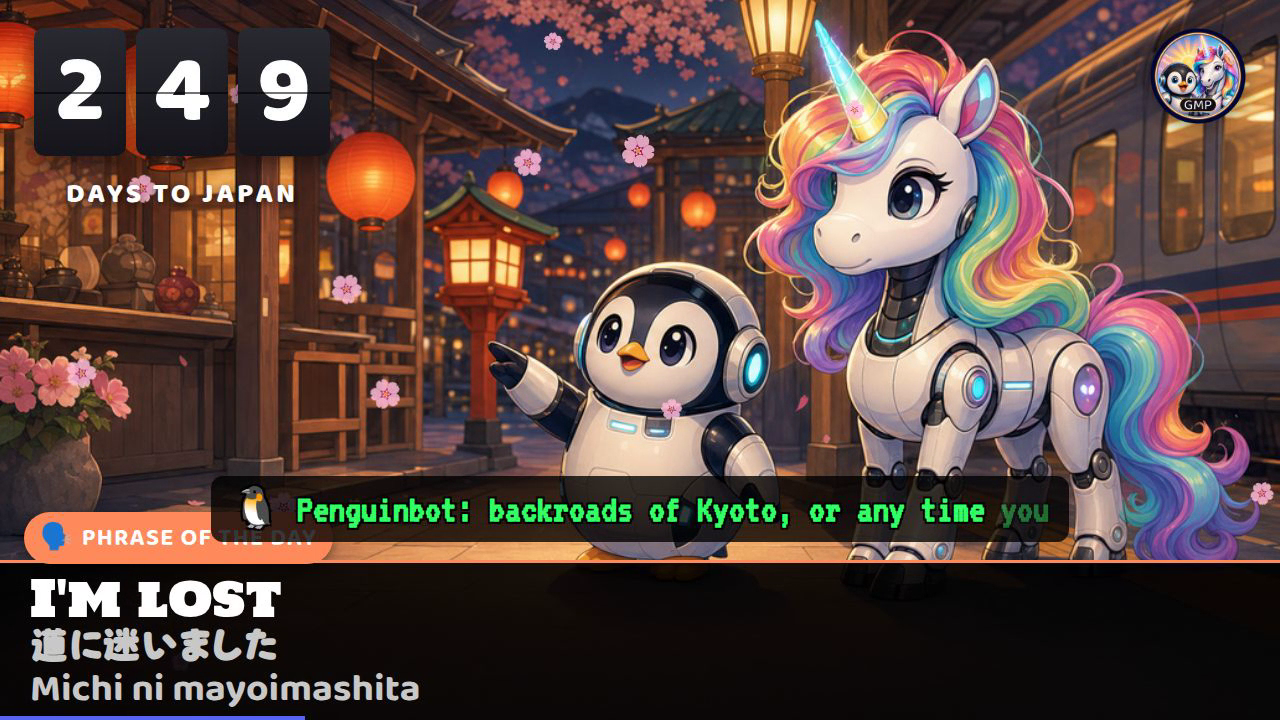
道に迷いましたMichi ni mayoimashitaI'm lost
出口はどこですかDeguchi wa doko desu kaWhere is the exit?
右に曲がってくださいMigi ni magatte kudasaiTurn right
ここはどこですかKoko wa doko desu kaWhere am I?
近くに駅はありますかChikaku ni eki wa arimasu kaIs there a station nearby?
近いですかChikai desu kaIs it near?
遠いですかTooi desu kaIs it far?
歩いてどのくらいですかAruite dono kurai desu kaHow long is it on foot?
駅はどこですかEki wa doko desu kaWhere is the station?
薬局はどこですかYakkyoku wa doko desu kaWhere is a pharmacy?
コンビニはどこですかKonbini wa doko desu kaWhere is a convenience store?
Emergency
子供がいなくなりましたKodomo ga inaku narimashitaMy child is missing
電話を貸してくださいDenwa o kashite kudasaiMay I use your phone?
大使館に行きたいですTaishikan ni ikitai desuI want to go to the embassy
医者を呼んでくださいIsha o yonde kudasaiPlease call a doctor
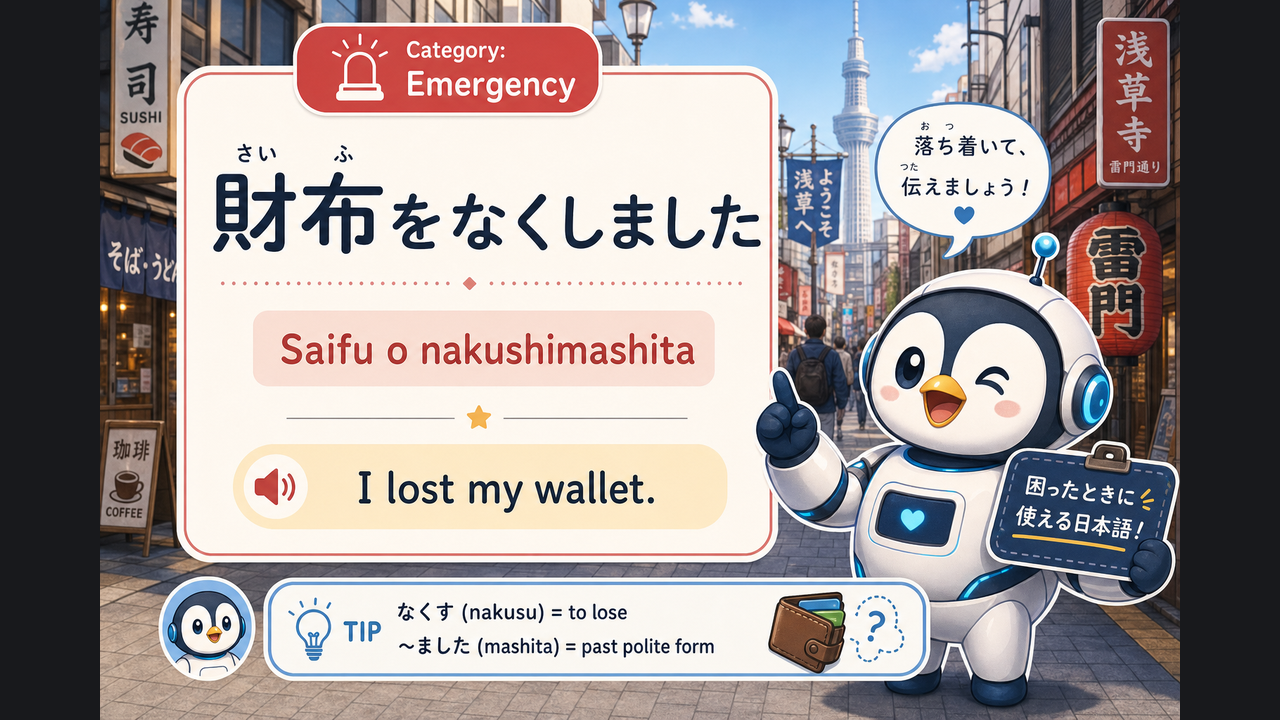
財布をなくしましたSaifu o nakushimashitaI lost my wallet
パスポートをなくしましたPasupooto o nakushimashitaI lost my passport
病院はどこですかByouin wa doko desu kaWhere is the hospital?
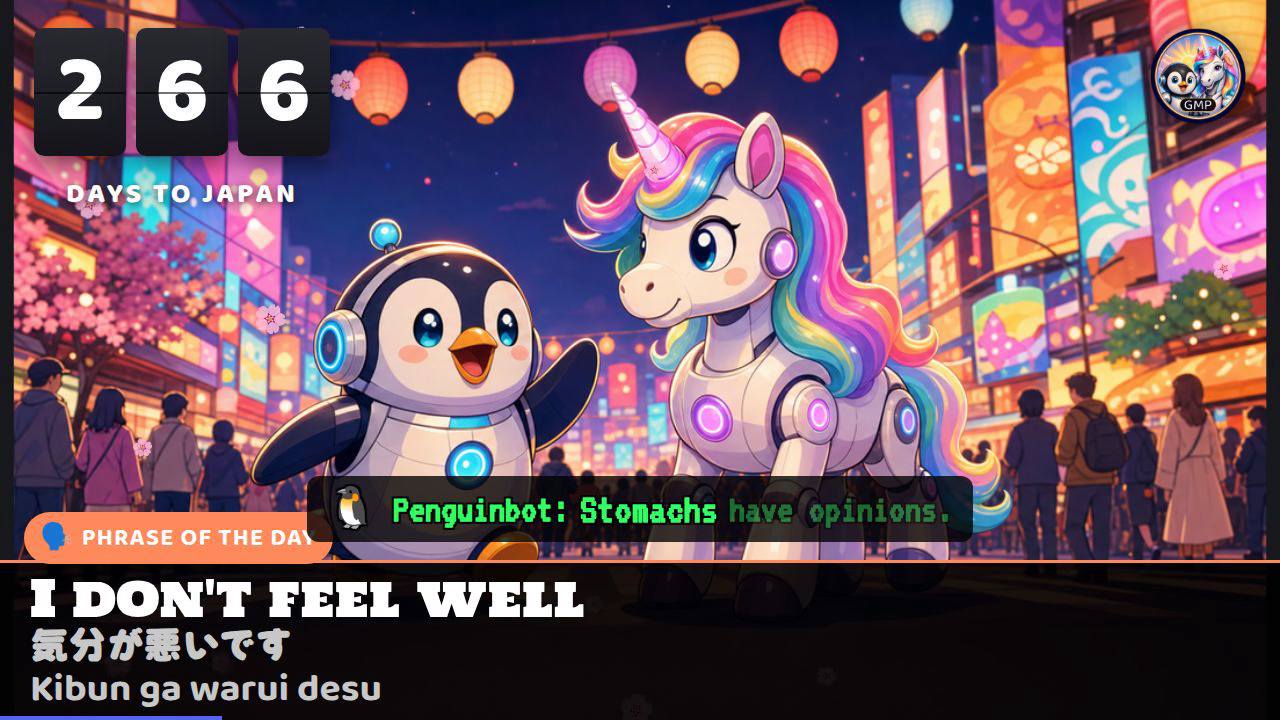
気分が悪いですKibun ga warui desuI don't feel well
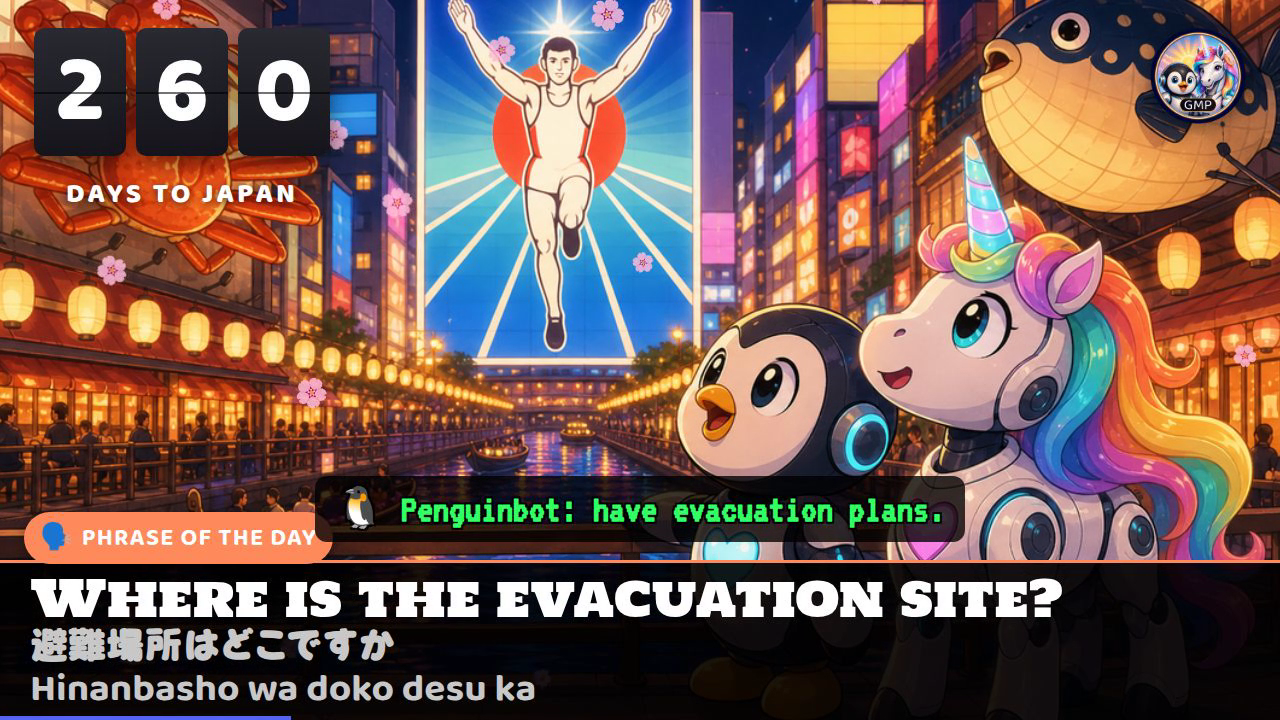
避難場所はどこですかHinanbasho wa doko desu kaWhere is the evacuation site?
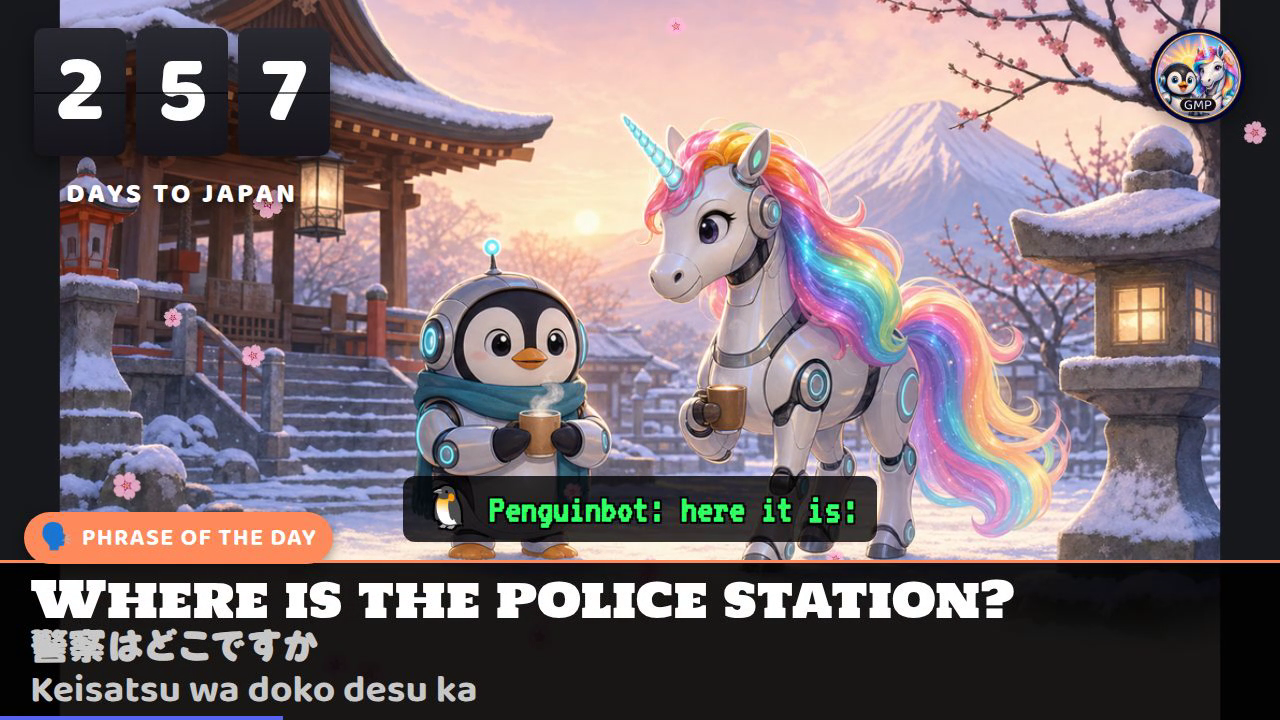
警察はどこですかKeisatsu wa doko desu kaWhere is the police station?
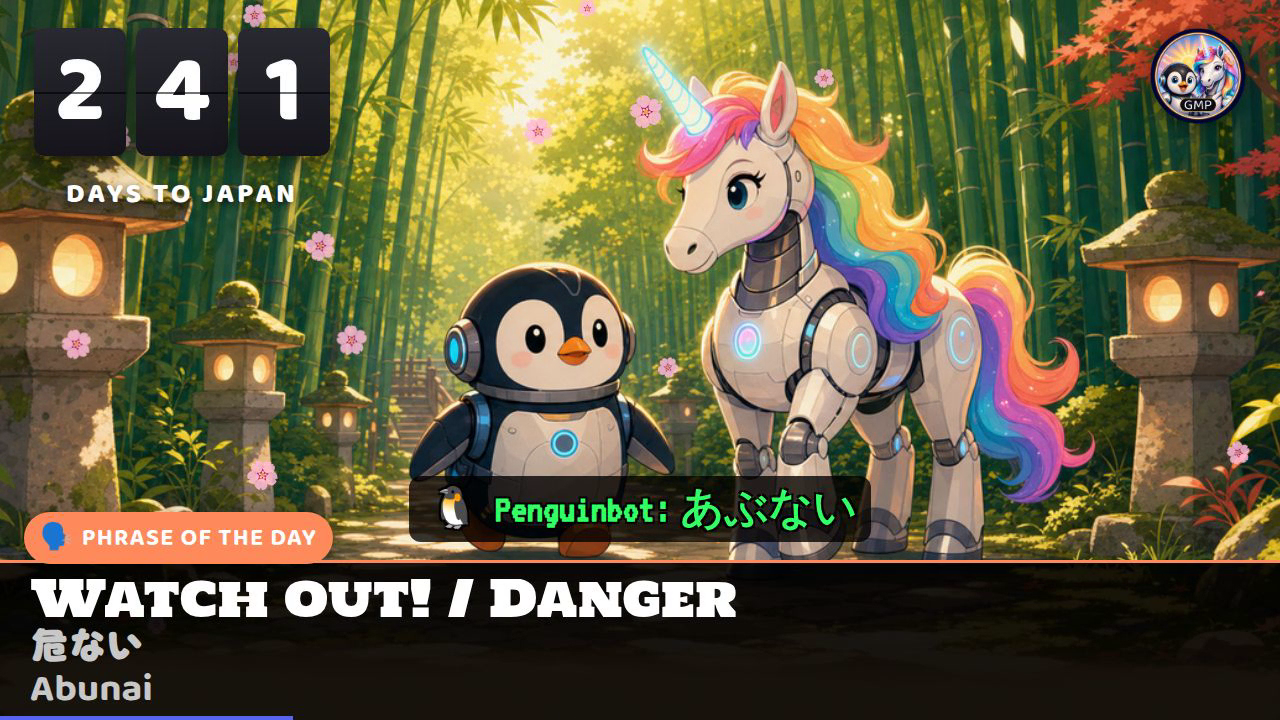
危ないAbunaiWatch out! / Danger
痛いですItai desuIt hurts
警察を呼んでくださいKeisatsu o yonde kudasaiPlease call the police
地震ですJishin desuIt's an earthquake!
薬を飲んでいますKusuri o nonde imasuI'm taking medication
かばんを盗まれましたKaban o nusumaremashitaMy bag was stolen
一緒に来てくださいIssho ni kite kudasaiPlease come with me
盗まれましたNusumaremashitaIt was stolen
携帯をなくしましたKeitai o nakushimashitaI lost my phone
救急車を呼んでくださいKyuukyuusha o yonde kudasaiPlease call an ambulance
助けてTasuketeHelp!
カードを止めたいですKaado o tometai desuI want to cancel my card
火事ですKaji desuFire!
Etiquette
タトゥーがありますが大丈夫ですかTatuu ga arimasu ga daijoubu desu kaI have a tattoo — is it okay?
温泉に入りたいですOnsen ni hairitai desuI'd like to use the hot spring
浴衣の着方を教えてくださいYukata no kikata o oshiete kudasaiHow do I wear the yukata?
靴を脱ぎますかKutsu o nugimasu kaShould I take off my shoes?
Greetings
よろしくお願いしますYoroshiku onegai shimasuPleased to meet you / I'm counting on you
おはようございますOhayou gozaimasuGood morning
おやすみなさいOyasumi nasaiGood night
はじめましてHajimemashiteNice to meet you
こんにちはKonnichiwaHello / Good afternoon
お疲れ様ですOtsukaresama desuThanks for your hard work
お久しぶりですOhisashiburi desuLong time no see
お元気ですかOgenki desu kaHow are you?
行ってきますIttekimasuI'm off (leaving)
いらっしゃいませIrasshaimaseWelcome (shop/restaurant greeting)
またねMata neSee you later
こんばんはKonbanwaGood evening
ただいまTadaimaI'm back
おかえりなさいOkaerinasaiWelcome back
さようならSayounaraGoodbye
行ってらっしゃいItterasshaiTake care (to someone leaving)
元気ですGenki desuI'm well
Medical
保険に入っていますHoken ni haitte imasuI have insurance
頭が痛いですAtama ga itai desuI have a headache
吐き気がしますHakike ga shimasuI feel nauseous
痛み止めはありますかItamidome wa arimasu kaDo you have painkillers?
具合が悪いですGuai ga warui desuI don't feel well

喉が痛いですNodo ga itai desuI have a sore throat
歯が痛いですHa ga itai desuI have a toothache
一日何回飲みますかIchinichi nankai nomimasu kaHow many times a day do I take it?
ドラッグストアはどこですかDoraggu sutoa wa doko desu kaWhere is the drugstore?
咳が出ますSeki ga demasuI have a cough
めまいがしますMemai ga shimasuI feel dizzy
熱がありますNetsu ga arimasuI have a fever
お腹が痛いですOnaka ga itai desuI have a stomachache
鼻水が出ますHanamizu ga demasuI have a runny nose
持病がありますJibyou ga arimasuI have a chronic condition
妊娠していますNinshin shite imasuI'm pregnant
下痢ですGeri desuI have diarrhea
風邪をひきましたKaze o hikimashitaI caught a cold
薬をくださいKusuri o kudasaiI'd like some medicine
怪我をしましたKega o shimashitaI'm injured
Money
おつりが違いますOtsuri ga chigaimasuThe change is incorrect
現金で払いますGenkin de haraimasuI'll pay in cash
領収書をくださいRyoushuusho o kudasaiA receipt, please
両替できますかRyougae dekimasu kaCan I exchange money?
カードで払えますかKaado de haraemasu kaCan I pay by card?
クレジットカードで払いますKurejitto kaado de haraimasuI'll pay by credit card
一番近いATMはどこですかIchiban chikai ATM wa doko desu kaWhere is the nearest ATM?
Politeness
ありがとうございますArigatou gozaimasuThank you very much
助けてくださいTasukete kudasaiPlease help me
結構ですKekkou desuNo thank you (I'm fine)
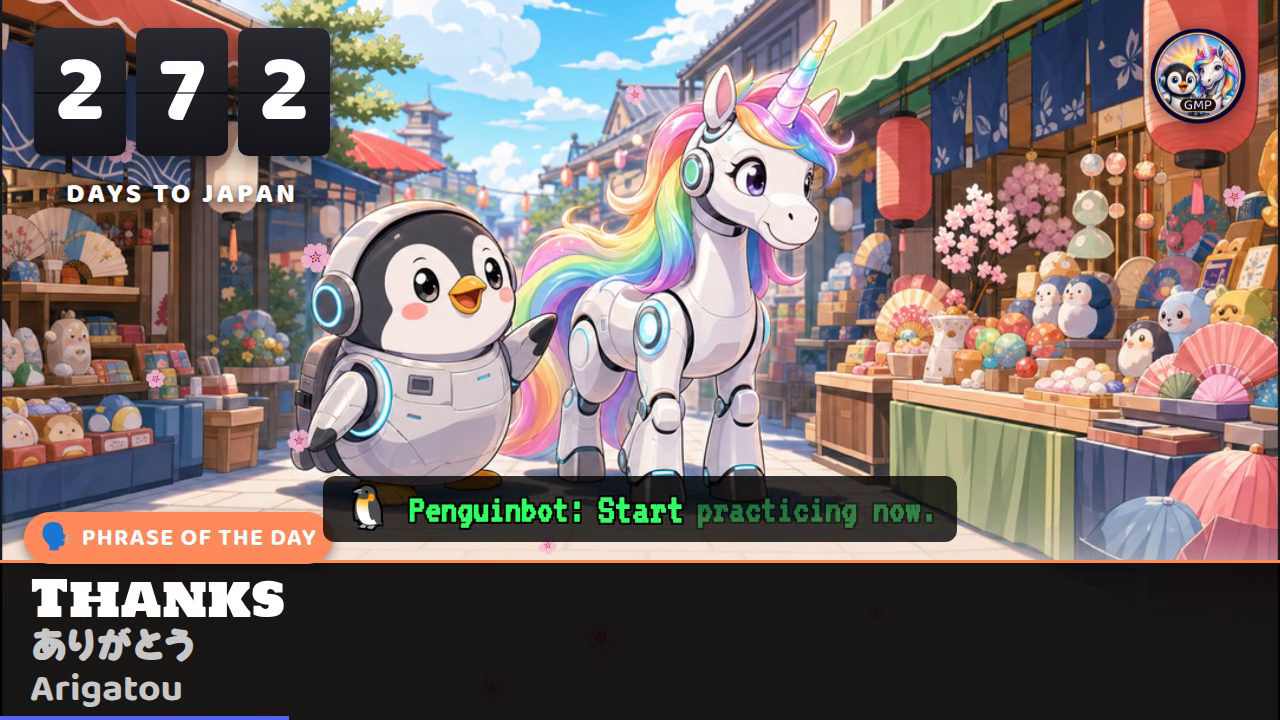
ありがとうArigatouThanks
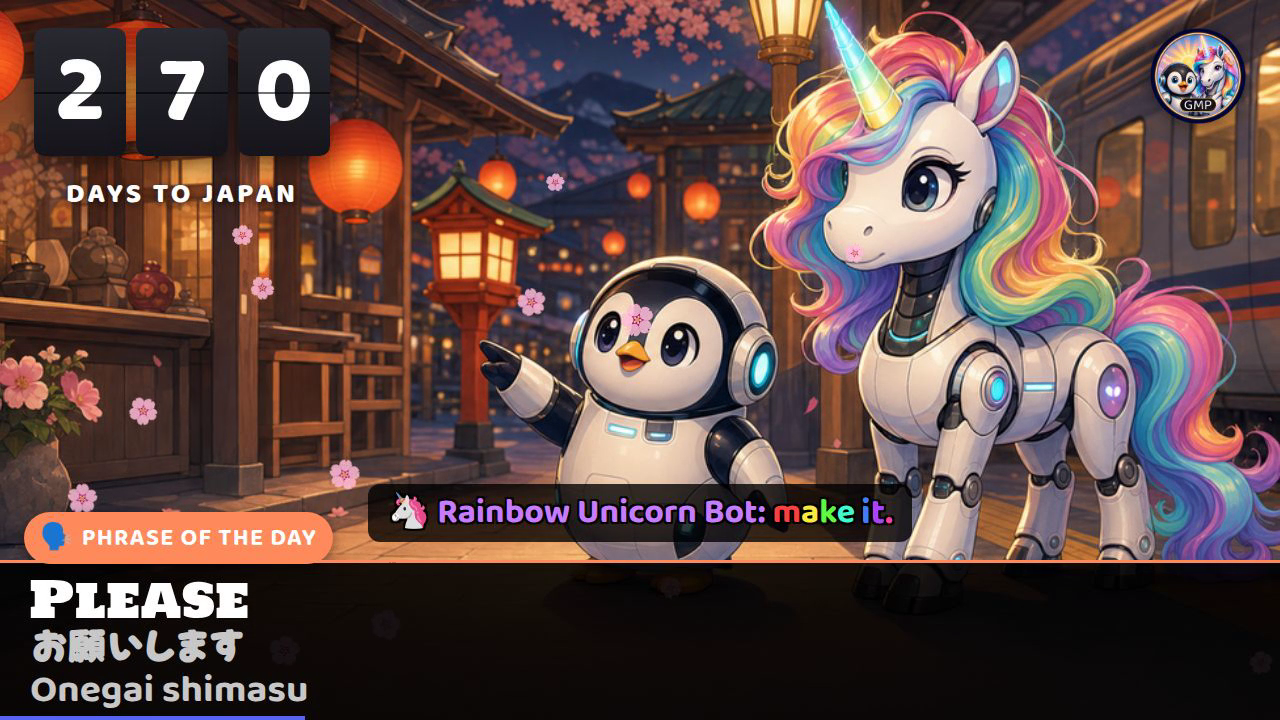
お願いしますOnegai shimasuPlease
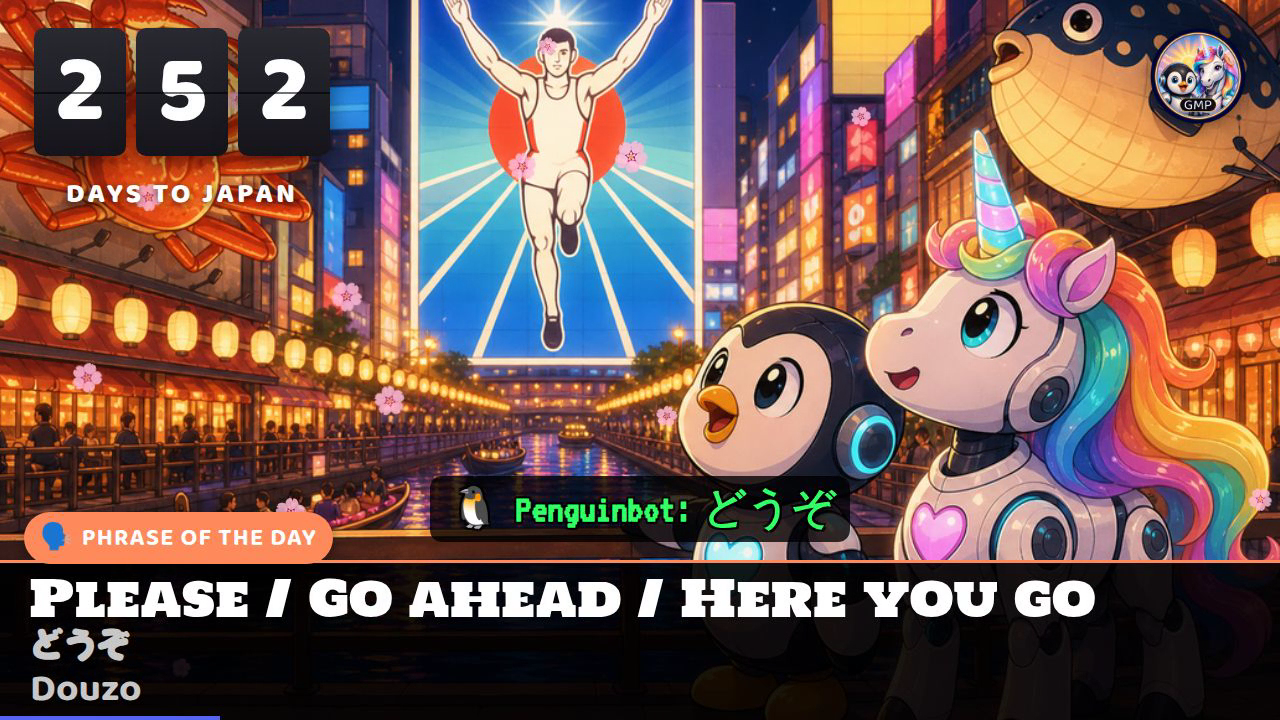
どうぞDouzoPlease / Go ahead / Here you go
すみませんSumimasenExcuse me / I'm sorry
もちろんMochironOf course
ごめんなさいGomen nasaiI'm sorry
どうもありがとうございますDoumo arigatou gozaimasuThank you so much
お先にどうぞOsaki ni douzoAfter you
失礼しますShitsurei shimasuExcuse me (entering or leaving)
お邪魔しますOjama shimasuExcuse me for intruding
大丈夫ですDaijoubu desuIt's okay / I'm fine
どういたしましてDou itashimashiteYou're welcome
どうもDoumoThanks / Hi (casual)
手伝ってもらえますかTetsudatte moraemasu kaCould you help me?
Shopping
試食できますかShishoku dekimasu kaCan I sample it?
これを探していますKore o sagashite imasuI'm looking for this
返品できますかHenpin dekimasu kaCan I return this?
高いですTakai desuIt's expensive
免税できますかMenzei dekimasu kaIs tax-free available?
見ているだけですMite iru dake desuI'm just looking
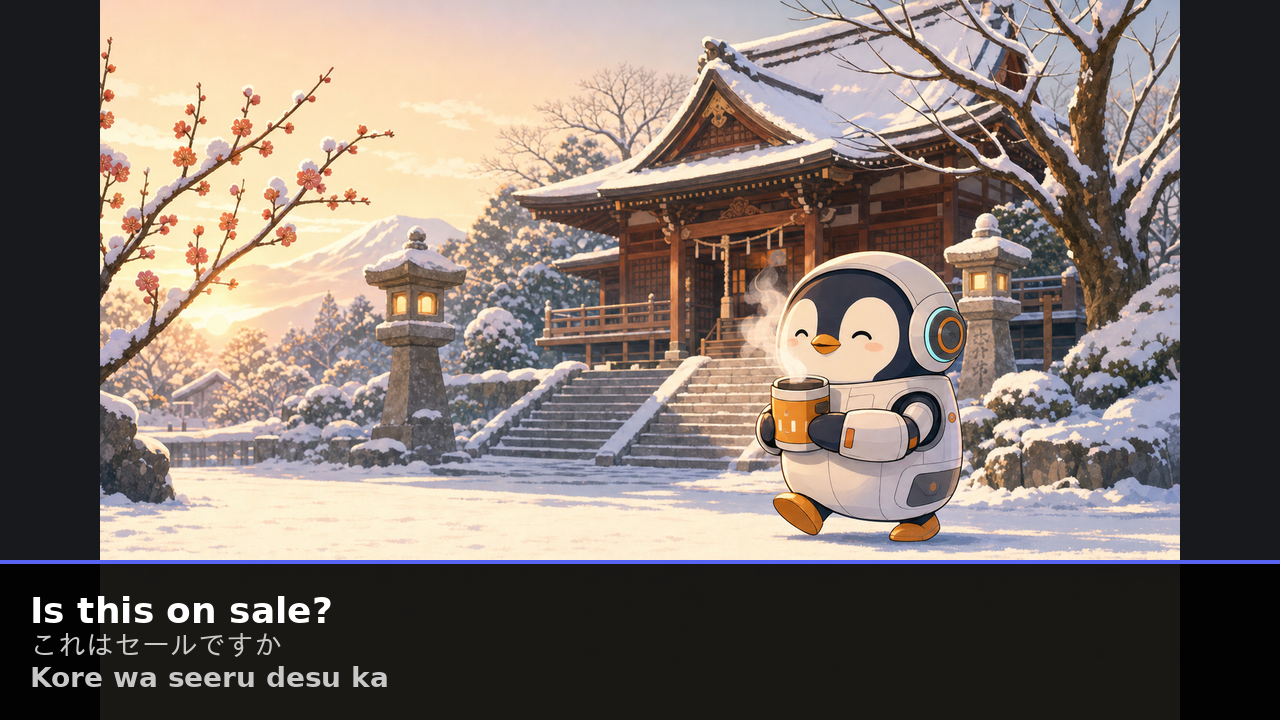
これはセールですかKore wa seeru desu kaIs this on sale?
いくらですかIkura desu kaHow much is it?
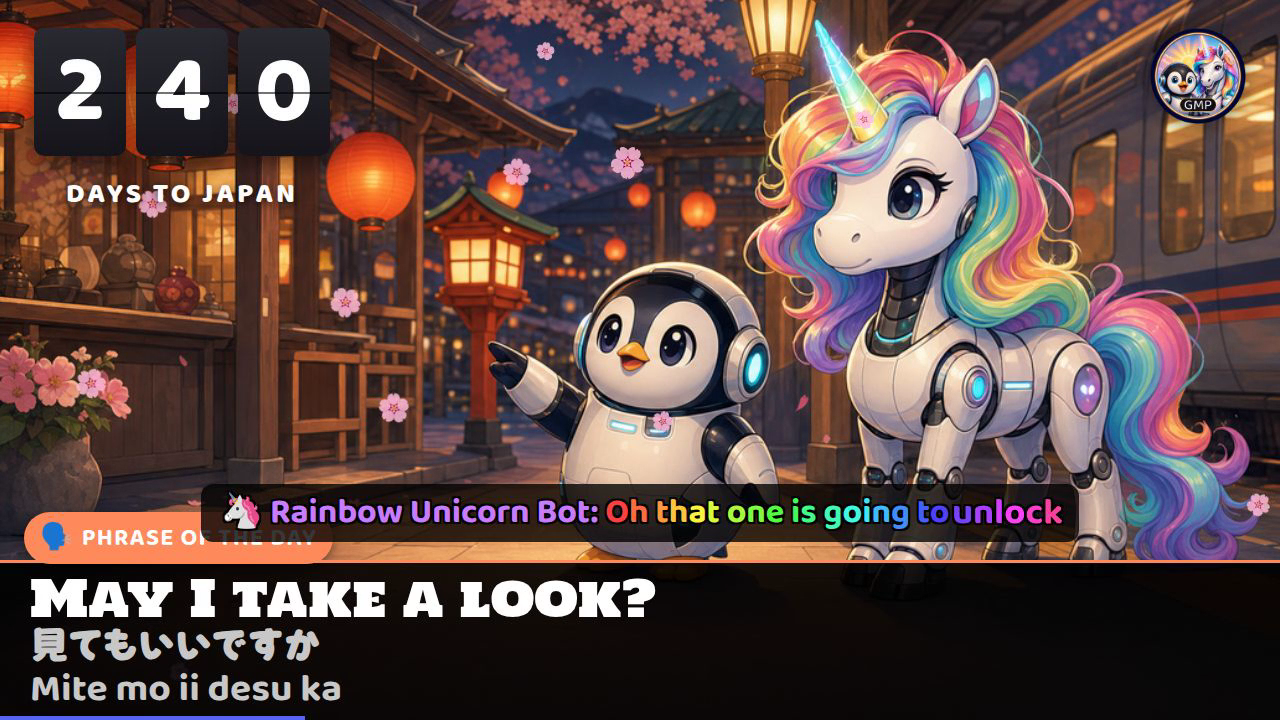
見てもいいですかMite mo ii desu kaMay I take a look?
袋はいりませんFukuro wa irimasenI don't need a bag
安いですYasui desuIt's cheap
試着できますかShichaku dekimasu kaCan I try it on?
他の色はありますかHoka no iro wa arimasu kaDo you have other colors?
もっと大きいのはありますかMotto ookii no wa arimasu kaDo you have a bigger one?
レシートはいりませんReshiito wa irimasenI don't need a receipt
袋をくださいFukuro o kudasaiA bag, please
これにしますKore ni shimasuI'll take this one
もっと小さいのはありますかMotto chiisai no wa arimasu kaDo you have a smaller one?
これはいくらですかKore wa ikura desu kaHow much is this?
もう少し安くなりますかMou sukoshi yasuku narimasu kaCan you make it cheaper?
Sightseeing
ガイドツアーはありますかGaido tsuaa wa arimasu kaIs there a guided tour?
何時まで開いていますかNanji made aite imasu kaWhat time are you open until?
おすすめの場所はどこですかOsusume no basho wa doko desu kaWhat place do you recommend?
一番人気は何ですかIchiban ninki wa nan desu kaWhat's the most popular?
入場は無料ですかNyuujou wa muryou desu kaIs admission free?
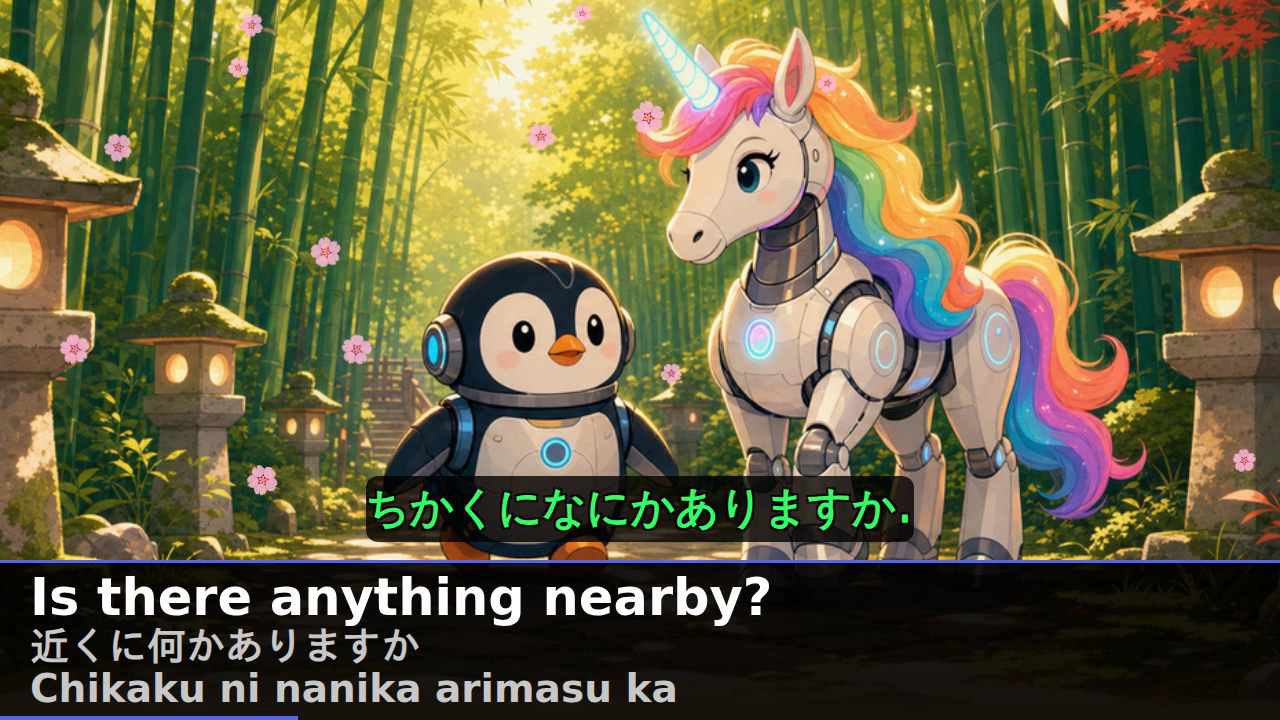
近くに何かありますかChikaku ni nanika arimasu kaIs there anything nearby?
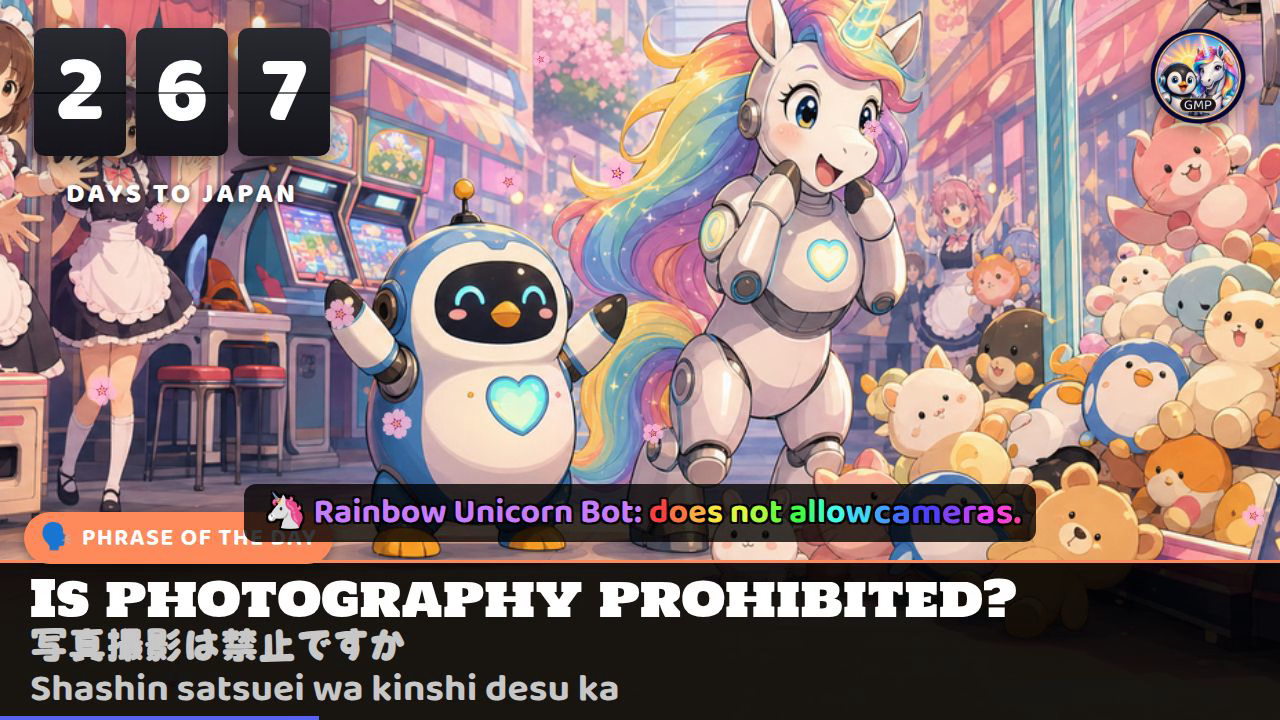
写真撮影は禁止ですかShashin satsuei wa kinshi desu kaIs photography prohibited?
英語のパンフレットはありますかEigo no panfuretto wa arimasu kaDo you have an English pamphlet?
お土産はどこで買えますかOmiyage wa doko de kaemasu kaWhere can I buy souvenirs?
写真を撮ってもいいですかShashin o totte mo ii desu kaMay I take a photo?
入場料はいくらですかNyuujouryou wa ikura desu kaHow much is admission?
写真を撮ってもらえますかShashin o totte moraemasu kaCould you take my photo?
Signage
故障中KoshouchuuOut of order (sign)
両替RyougaeMoney exchange (sign)
自由席JiyuusekiNon-reserved seat (sign)
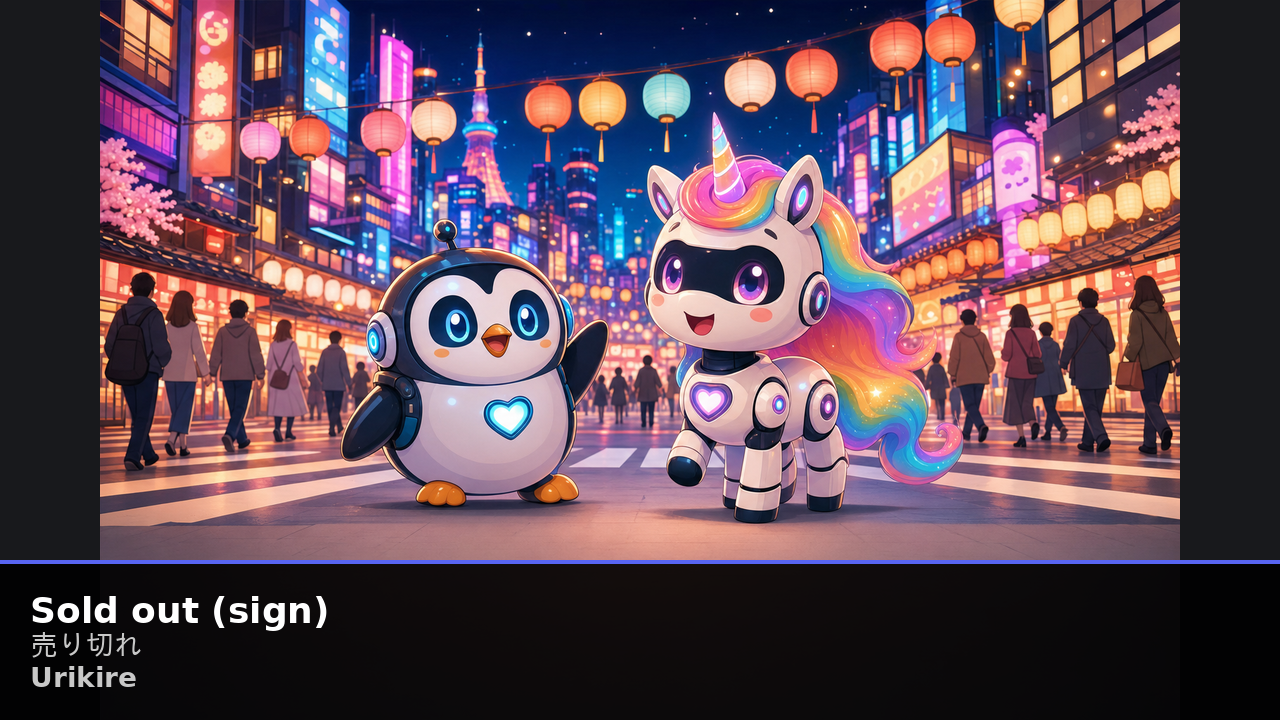
売り切れUrikireSold out (sign)
指定席ShiteisekiReserved seat (sign)
男OtokoMen (bath/restroom sign)
準備中JunbichuuClosed / Preparing (sign)
押すOsuPush (door sign)
入口IriguchiEntrance (sign)
満員Man'inFull / No vacancy (sign)
非常口HijouguchiEmergency exit (sign)
会計KaikeiCheckout / Cashier (sign)
出口DeguchiExit (sign)
女OnnaWomen (bath/restroom sign)
禁煙Kin'enNo smoking (sign)
営業中EigyouchuuOpen for business (sign)
無料MuryouFree of charge (sign)
引くHikuPull (door sign)
立入禁止Tachiiri kinshiNo entry (sign)
改札KaisatsuTicket gate (sign)
案内所AnnaijoInformation desk (sign)
Small Talk
すごいSugoiAmazing / Wow
お名前は何ですかOnamae wa nan desu kaWhat is your name?
楽しかったですTanoshikatta desuThat was fun
かわいいKawaiiCute!
アメリカから来ましたAmerika kara kimashitaI'm from America
寒いですねSamui desu neIt's cold, isn't it?
天気がいいですねTenki ga ii desu neNice weather, isn't it?
雨が降っていますAme ga futte imasuIt's raining
本当ですかHontou desu kaReally?
どこから来ましたかDoko kara kimashita kaWhere are you from?
暑いですねAtsui desu neIt's hot, isn't it?
楽しみですTanoshimi desuI'm looking forward to it
楽しいですTanoshii desuThis is fun
私の名前は…ですWatashi no namae wa ... desuMy name is ...
とてもきれいですTotemo kirei desuIt's very beautiful
また来たいですMata kitai desuI want to come again
うれしいですUreshii desuI'm happy
気をつけてKi o tsuketeTake care / Be safe
なるほどNaruhodoI see / Makes sense
日本料理が好きですNihon ryouri ga suki desuI like Japanese food
日本が大好きですNihon ga daisuki desuI love Japan
日本は初めてですNihon wa hajimete desuIt's my first time in Japan
頑張ってGanbatteGood luck / Hang in there
いいですねIi desu neThat's nice
Technology
充電器はありますかJuudenki wa arimasu kaDo you have a charger?
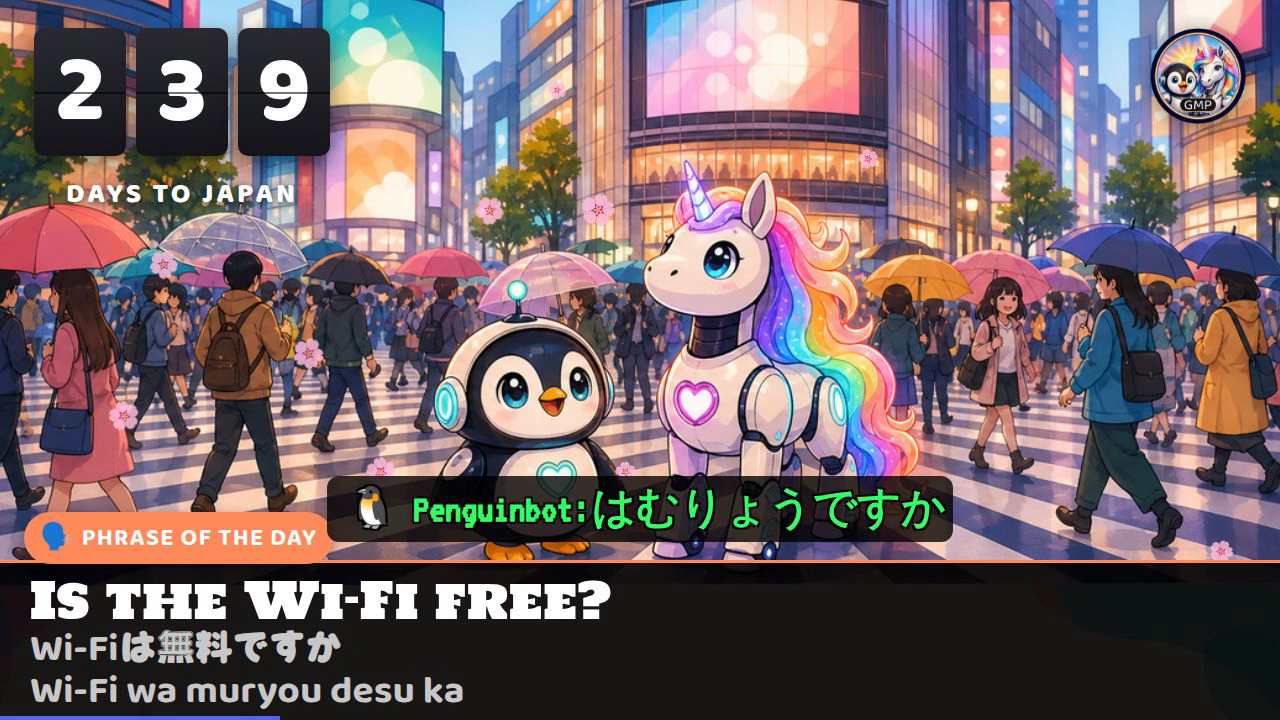
Wi-Fiは無料ですかWi-Fi wa muryou desu kaIs the Wi-Fi free?
SIMカードはどこで買えますかSIM kaado wa doko de kaemasu kaWhere can I buy a SIM card?
コンセントはどこですかKonsento wa doko desu kaWhere is a power outlet?
Time
明日AshitaTomorrow
夜YoruNight
何時に始まりますかNanji ni hajimarimasu kaWhat time does it start?
昨日KinouYesterday
今日KyouToday
午前GozenA.M. / Morning
今ImaNow
午後GogoP.M. / Afternoon
何時ですかNanji desu kaWhat time is it?
昼HiruNoon / Daytime
朝AsaMorning
Transport
次の駅は何ですかTsugi no eki wa nan desu kaWhat's the next station?
遅れていますかOkurete imasu kaIs it delayed?
終電は何時ですかShuuden wa nanji desu kaWhat time is the last train?
この住所まで行ってくださいKono juusho made itte kudasaiTake me to this address, please
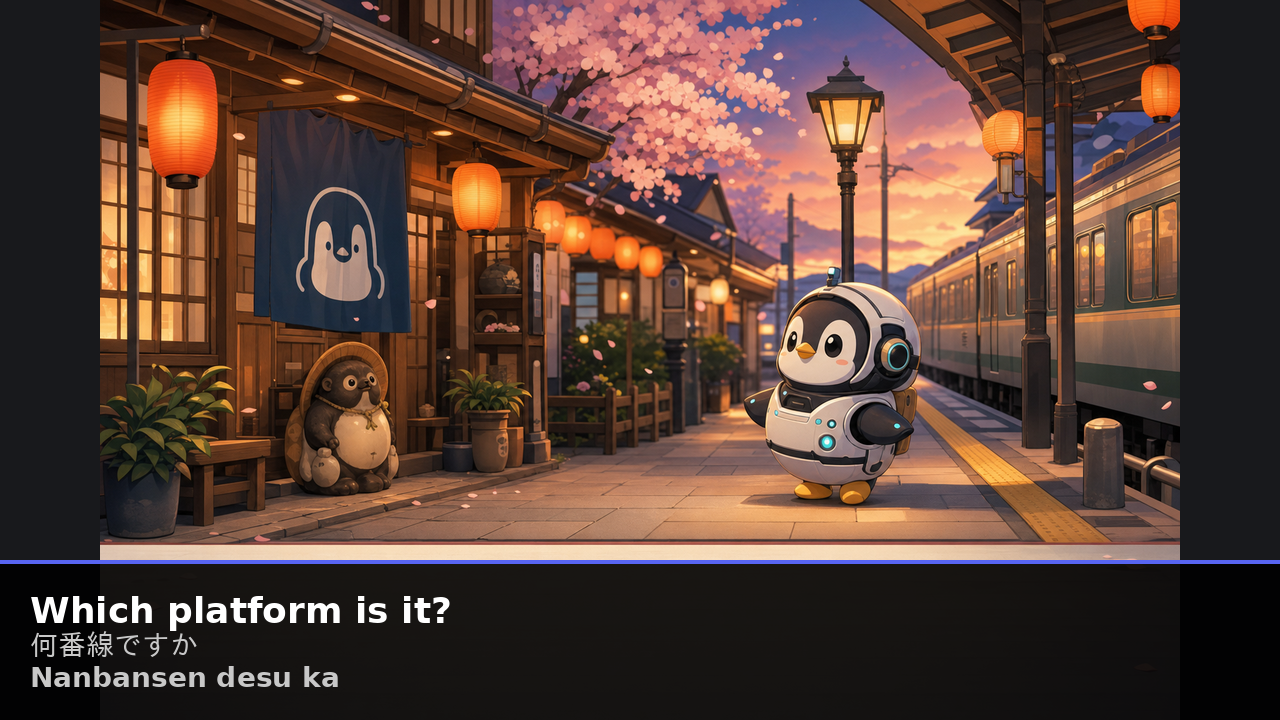
何番線ですかNanbansen desu kaWhich platform is it?
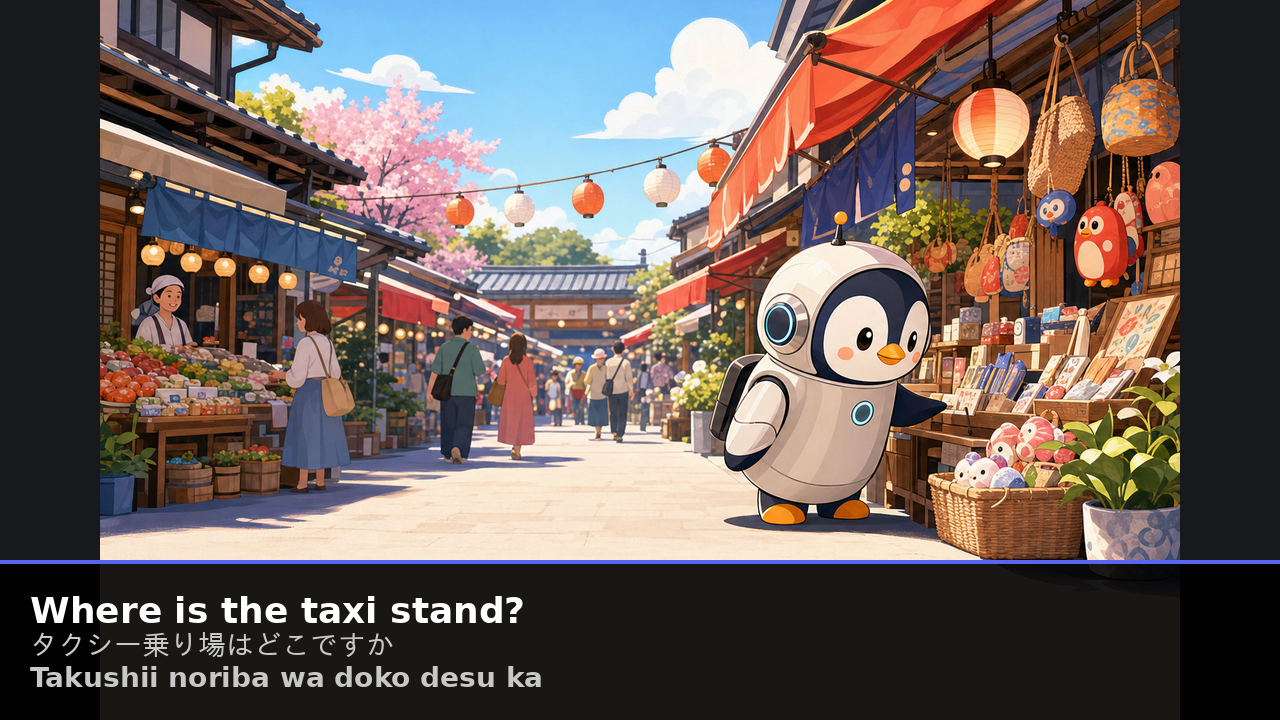
タクシー乗り場はどこですかTakushii noriba wa doko desu kaWhere is the taxi stand?
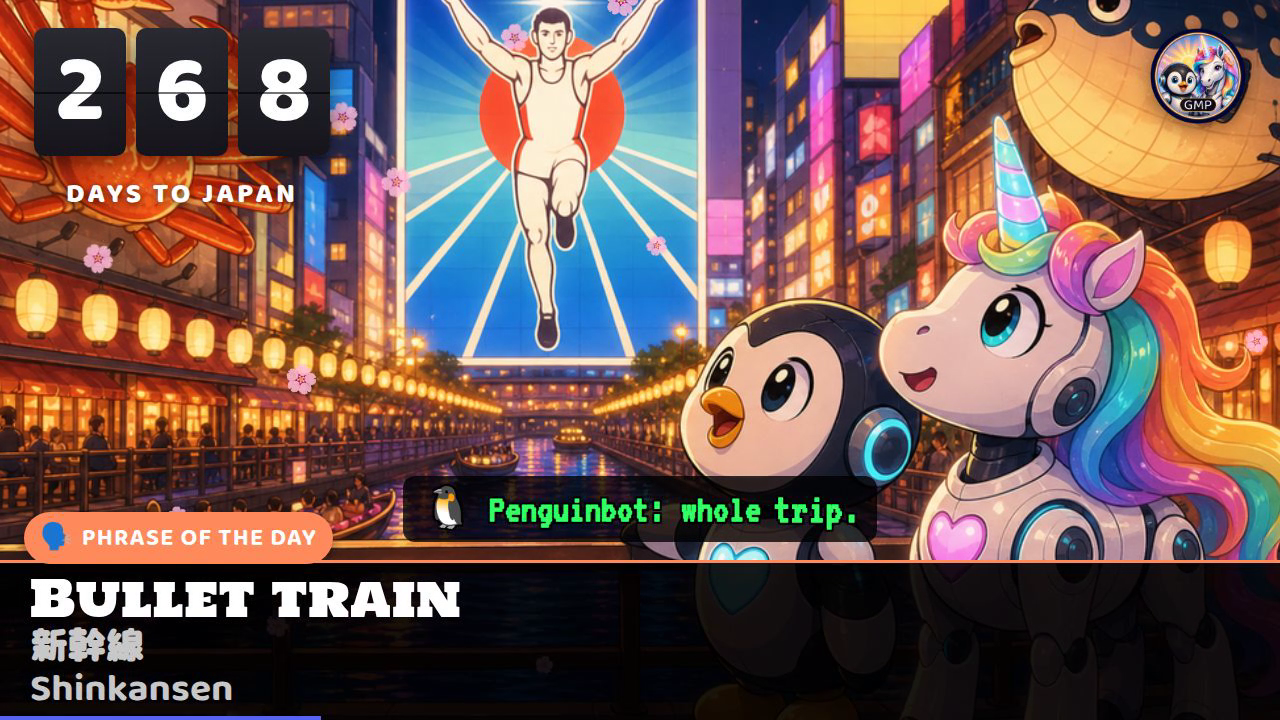
新幹線ShinkansenBullet train
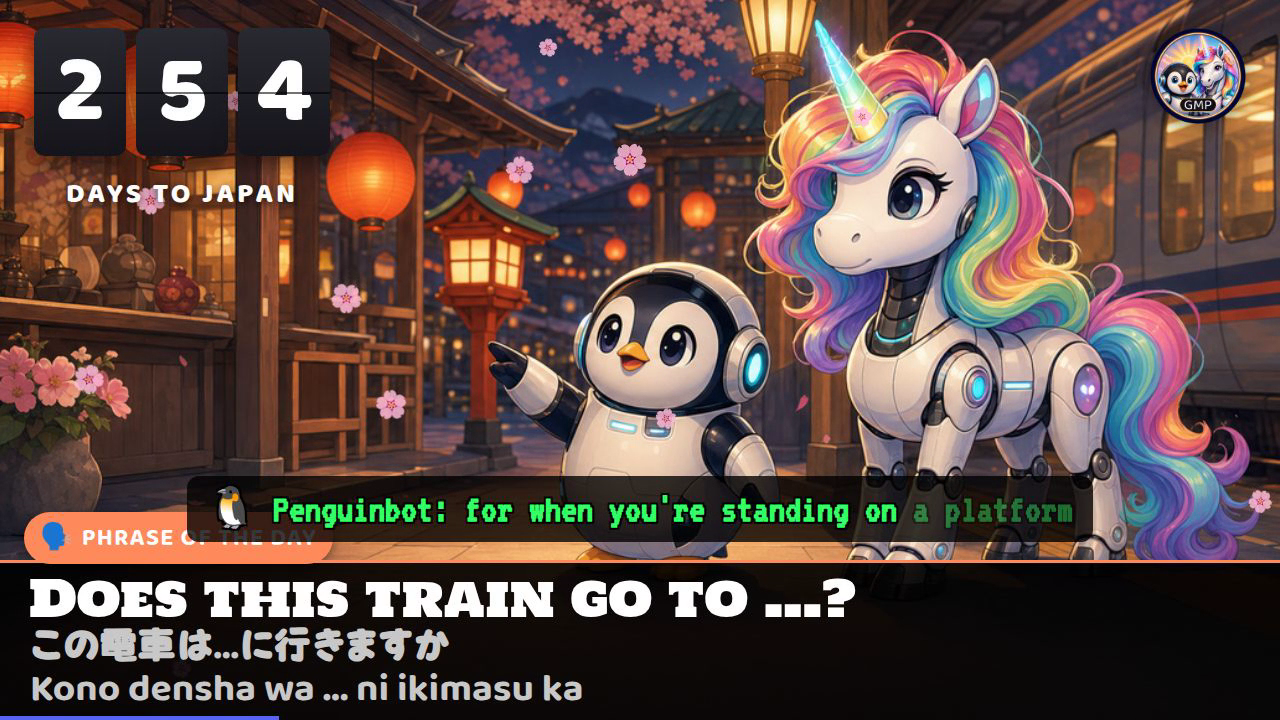
この電車は…に行きますかKono densha wa ... ni ikimasu kaDoes this train go to ...?
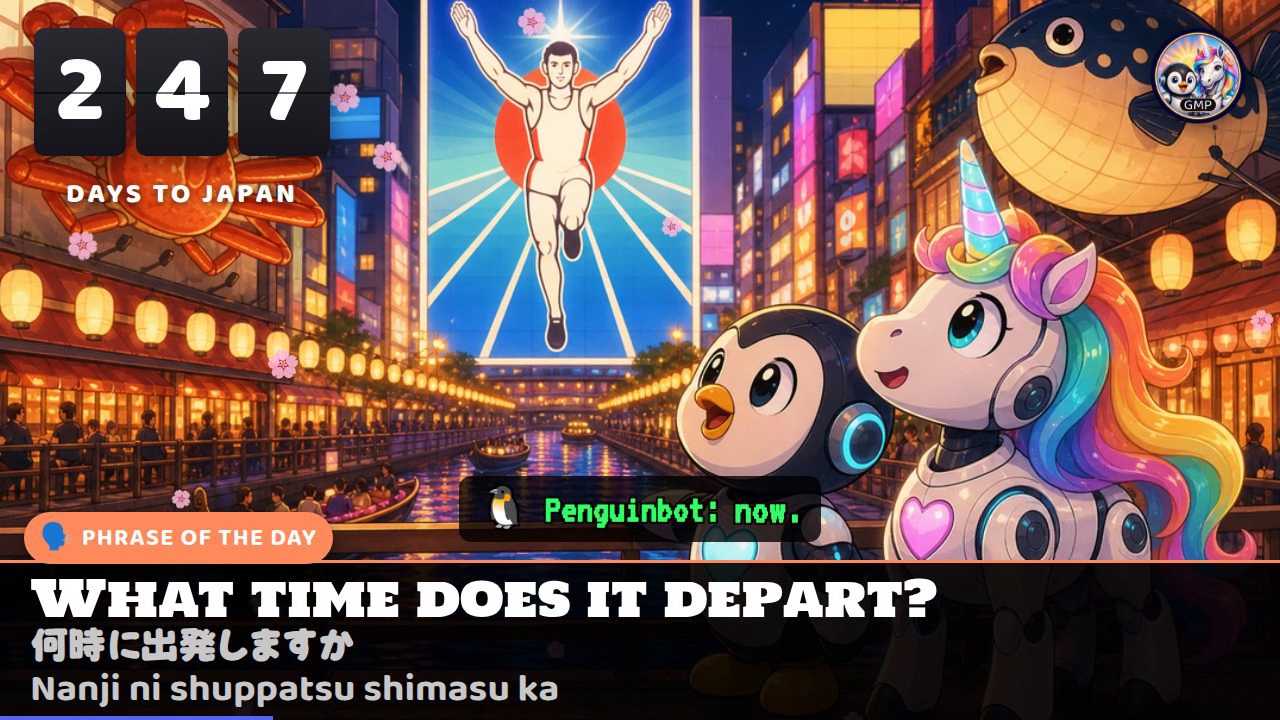
何時に出発しますかNanji ni shuppatsu shimasu kaWhat time does it depart?
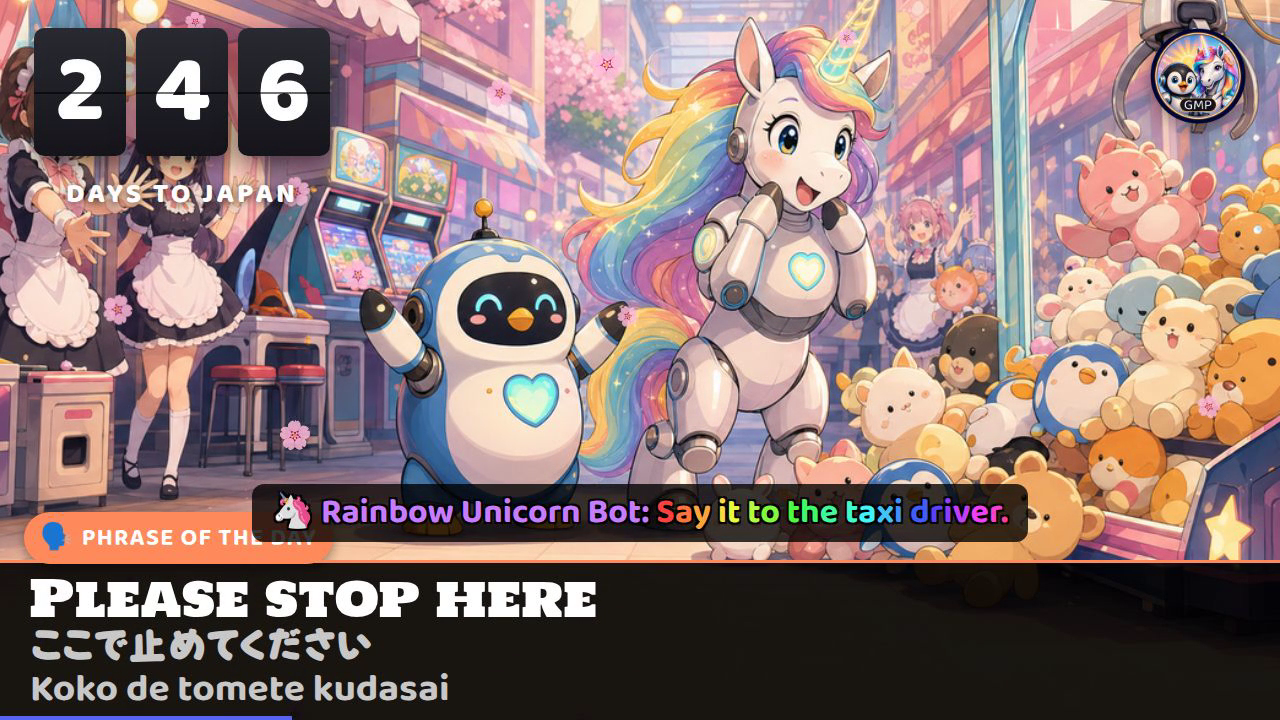
ここで止めてくださいKoko de tomete kudasaiPlease stop here
始発は何時ですかShihatsu wa nanji desu kaWhat time is the first train?
タクシーを呼んでくださいTakushii o yonde kudasaiPlease call a taxi
バス停はどこですかBasutei wa doko desu kaWhere is the bus stop?
この電車は急行ですかKono densha wa kyuukou desu kaIs this train an express?
終点はどこですかShuuten wa doko desu kaWhere is the final stop?
どこで乗り換えますかDoko de norikaemasu kaWhere do I transfer?
この席は空いていますかKono seki wa aite imasu kaIs this seat free?
ICカードをチャージしたいですIC kaado o chaaji shitai desuI'd like to top up my IC card
切符はどこで買えますかKippu wa doko de kaemasu kaWhere can I buy a ticket?
空港まで行ってくださいKuukou made itte kudasaiTo the airport, please
地下鉄ChikatetsuSubway
57 of 414 have aired with a card so far
Accommodation
📏 Rooms are often smaller than Western travelers expect; pack light and use luggage forwarding to ease tight spaces.
🚉 Look for a hotel near a major station to make day trips and luggage handling much easier.
🏨 Business hotels are compact, affordable, and reliable, with tiny but well-equipped rooms near major stations.
🕘 Some ryokan have curfews or set bath times, so read the house rules when you arrive.
🧦 Slippers are usually provided at the entrance; never wear them onto tatami mats, where bare or socked feet go.
🚽 High-tech toilets with heated seats and bidet functions are standard, even in modest accommodations.
⛩️ Temple lodgings called shukubo let you stay overnight at a Buddhist temple and join morning prayers.
💴 Some onsen ryokan add a small bathing tax to your bill; it's a standard local charge, not an error.
🛏️ Pillows in Japan are sometimes filled with buckwheat hulls or beans; ask for a softer one if needed.
💕 Love hotels rent rooms by the hour or overnight and can be a quirky budget option late at night.
🏠 Short-term rentals must be licensed under Japan's minpaku law; confirm the listing is legal before booking.
🕒 Many accommodations have strict check-in and check-out times; arrange luggage storage if you arrive early.
🩴 Wear the provided yukata robe and slippers inside a ryokan, but switch to special toilet slippers in the bathroom.
🛏️ Capsule hotels offer a clean, cheap sleeping pod and shared facilities, great for a single night in a pinch.
🏯 A ryokan is a traditional inn with tatami floors, futon bedding, and often elaborate multi-course dinners.
🪥 Many hotels stock amenities like toothbrushes, razors, and pajamas, so you can pack fewer toiletries.
🍱 At a ryokan, dinner and breakfast are often included; tell them in advance about dietary needs.
🛌 Hostels and guesthouses are budget-friendly and social, with many run by English-speaking hosts in tourist areas.
📶 Free in-room Wi-Fi is common in cities, but confirm coverage if you're staying somewhere rural or very traditional.
📠 Booking sites in English work well, but a few traditional ryokan only take reservations by phone or fax.
Connectivity
🖨️ Convenience store printers can print boarding passes and documents from a USB stick or cloud app.
🗺️ Download offline maps and translation packs before you go in case you lose signal underground or in rural areas.
🔋 Carry a power bank, since heavy navigation and translation use will drain your phone battery fast.
📍 Save your accommodation's address in Japanese on your phone to show taxi drivers or type into maps.
📅 Some attractions and restaurants require app-based reservations, so set up your phone before peak-season trips.
🔤 Google Translate's camera mode reads menus and signs in real time and is invaluable when there's no English.
💸 International roaming can be costly; an eSIM or local data plan is usually far cheaper for a trip.
✉️ If you rent pocket Wi-Fi, remember to return it at the airport mailbox or counter before you fly home.
📲 An eSIM you set up before arrival lets you connect the moment you land, with no SIM card to swap.
🛜 Free Wi-Fi is common at stations, convenience stores, and cafes, but you often must register your email first.
⚡ Voltage is 100 volts and frequency differs east versus west, but most phone and laptop chargers handle it fine.
📱 The DiGJAPAN and Japan Travel apps bundle offline maps, transit info, and coupons for visitors.
🔌 Japan uses Type A two-flat-pin outlets at 100 volts; check your devices and bring an adapter if needed.
📶 Rent a pocket Wi-Fi router or buy a travel eSIM for reliable data; public free Wi-Fi can be spotty and slow.
💬 Messaging app LINE is the dominant communication tool here; install it to coordinate with locals or tour guides.
🚄 Many trains and shinkansen offer free onboard Wi-Fi, though speeds drop in tunnels and mountainous areas.
📦 Pocket Wi-Fi can be reserved online and picked up at the airport or delivered to your hotel.
☁️ Keep digital copies of bookings and your passport in the cloud so you can retrieve them even offline-stored.
Culture
🔢 Lucky and unlucky numbers matter; four and nine can sound like death and suffering, so they're sometimes avoided.
🤝 Public baths, communal etiquette, and quiet trains all reflect a society built around mutual consideration.
🍂 Seasonal awareness runs deep; foods, decorations, and activities shift noticeably with each time of year.
📚 Manga and anime are mainstream culture for all ages, with dedicated shops, cafes, and museums nationwide.
🧹 Cleanliness is a shared value; you'll rarely see litter even though public trash cans are scarce.
🌸 Cherry blossom viewing, called hanami, brings friends and families to parks for picnics under the blooms each spring.
🎤 Karaoke is a beloved group activity; you rent a private room by the hour rather than singing to a public bar.
🥫 Vending machines are everywhere, selling hot and cold drinks and even quirky items on almost every street.
⛩️ Many Japanese people blend Shinto and Buddhist practices, marking births at shrines and funerals at temples.
⏰ Punctuality is highly valued; arriving on time or a little early shows respect for others.
🤲 The concept of omotenashi means wholehearted hospitality, which is why service can feel exceptionally attentive.
🐱 Cat cafes, owl cafes, and other animal cafes let you relax with animals for an hourly fee.
🤖 Robots, capsule hotels, and high-tech toilets sit comfortably beside centuries-old temples and traditions.
😅 Saying no directly is rare; a hesitant chotto or drawn-out pause often politely means no.
🎁 Gift-giving is an art; presentation and wrapping often matter as much as the gift itself.
👥 Workplace culture prizes the group over the individual, which shapes everyday politeness and indirect communication.
💨 Reading the air, or kuuki wo yomu, means sensing the mood and acting considerately without being told.
🎆 Seasonal festivals called matsuri feature portable shrines, food stalls, and fireworks throughout the year.
🤼 Sumo is the national sport; tournaments called basho run several times a year and welcome spectators.
🙇 Removing shoes, bowing, and quiet consideration reflect a broader respect for shared and personal space.
Emergency
🏫 Note the nearest evacuation site, often a school or park, posted on signs near your accommodation.
🛂 Save your embassy's phone number and location before you travel in case you lose your passport.
☎️ The Japan Visitor Hotline run by JNTO is 050-3816-2787, available in English 24/7 for travel questions and lost items.
🔎 Lost property is taken very seriously; report a lost item at the nearest koban or station office, as things are often recovered.
🗒️ Carry a card with your hotel's name and address in Japanese so you can show it if you get lost.
🚨 Dial 110 for police and 119 for fire or ambulance; both are free from any phone, including payphones.
📞 If you witness an accident, calling 119 is appropriate; operators can sometimes connect to translation support.
🔋 Keep your phone charged and carry a power bank; reliable communication matters most during any disruption.
🌊 Tsunami warnings follow strong coastal earthquakes; move to higher ground immediately and don't wait by the shore.
🏥 Many hospitals require upfront payment from foreign visitors, so carry travel insurance and enough funds for care.
🧭 Follow staff instructions and evacuation signs during any emergency; drills and procedures here are well organized.
👮 Police boxes called koban are on many street corners and are a reliable place to report problems or ask for directions.
🌋 During an earthquake, drop, cover under a sturdy table, and hold on; stay away from windows and don't rush outside.
🏪 Convenience stores can be gathering points in emergencies and often have supplies, water, and a working phone.
🌀 Typhoon season can disrupt trains and flights; monitor warnings and build flexibility into late-summer plans.
🩺 For non-urgent medical advice, ask your hotel front desk to help you find an English-speaking clinic nearby.
📲 The official Safety Tips app pushes earthquake, tsunami, and weather alerts to your phone in English.
🚑 When calling 119, state whether you need fire or ambulance, then give your location as clearly as you can.
📕 If you lose your passport, contact your embassy and file a report at a koban to get the paperwork started.
📋 Keep a copy of your passport and travel insurance details separate from the originals in case of loss or theft.
Etiquette
🙇 Bow as a default greeting and a sign of thanks or apology; a small nod is fine for casual moments, and you don't need to match the depth perfectly.
🎁 When visiting someone's home, bringing a small gift like sweets is a thoughtful and expected gesture.
🤫 Keep your voice low in public spaces like trains and restaurants; loud conversation stands out and is considered inconsiderate.
🚶 Eating or drinking while walking is generally avoided; finish your snack near the shop or at a bench before moving on.
🥢 Don't rest your chopsticks across the top of your bowl; use the chopstick rest or lay them on the edge of a plate.
🛍️ Handle and admire items gently in shops; rough handling of merchandise is considered disrespectful.
🦷 Cover your mouth when using a toothpick and avoid loud slurping outside of noodle dishes, where slurping is actually welcome.
🥢 Never stick your chopsticks upright in a bowl of rice; it mimics a funeral ritual and is considered very rude.
🚏 Queue neatly and respect the lines painted on train platforms and at bus stops; cutting in is a serious faux pas.
👟 Take your shoes off when entering homes, traditional inns, temples, and many restaurants; look for a step up and a shelf of slippers.
🪪 Receive and give business cards and money with both hands and a slight bow to show respect.
📵 Set your phone to silent mode, called manner mode, on trains and in quiet public spaces.
🙅 Don't tip; service is included and leaving extra cash can confuse or even offend staff.
✋ Point with an open hand rather than a single finger, which is seen as rude.
🍶 When pouring drinks, fill others' glasses rather than your own, and let someone refill yours in return.
🥢 Don't pass food from chopstick to chopstick, since that also echoes a funeral custom; instead set the food on a plate for the other person.
🚬 Don't walk and smoke; use designated smoking areas, as smoking on the street is banned in many districts.
🙏 Apologize with sumimasen, which works as both excuse me and a light sorry in everyday situations.
💑 Avoid blowing your budget on big public displays of affection; hand-holding is fine but kissing in public is uncommon.
💳 Use the small tray at registers to pass cash and cards instead of placing money directly in the cashier's hand.
👀 Avoid eye contact that's too intense; a softer gaze is more comfortable in Japanese social settings.
🤧 Blowing your nose in public is frowned upon; step away discreetly or sniffle until you can find a private spot.
🍽️ Wait to be seated and follow the host's lead at meals; don't start eating until everyone is served and someone says itadakimasu.
Family
🚃 Children often ride trains free or at a discount; check the age limits for free travel before you go.
🎢 Tokyo Disneyland and DisneySea, plus Universal Studios in Osaka, are huge hits with children and teens.
🦌 Animal attractions like petting zoos and the deer at Nara are gentle fun for younger children.
🛝 Plan rest stops at parks and playgrounds, which are common and free, to break up busy itineraries.
🚼 Strollers can be tricky on crowded trains and stairs; a baby carrier is often more practical in cities.
🐠 Aquariums, science museums, and animal cafes are engaging rainy-day options for families.
🍪 Pack familiar snacks and any specialty baby formula, as brands and flavors differ from home.
🛡️ Japan's low crime rate means older kids can often explore a little more independently than back home.
🎨 Hands-on spots like the teamLab digital art museums delight kids and adults alike.
🚻 Theme parks and major attractions offer family restrooms and stroller rentals to ease the day.
♨️ Ryokan with private family baths let everyone enjoy an onsen together without the public-bath rules.
🍱 Restaurants often welcome families and may offer kids' meals, called okosama setto, with a toy.
👨👩👧 Japan is very family-friendly and safe, with clean facilities and a culture of order that makes travel easy with kids.
🧸 Toy and hobby stores like the giant ones in Tokyo are an adventure for kids of all ages.
🍙 Convenience stores and depachika food halls make it easy to find kid-friendly snacks and meals anytime.
🏨 Larger hotels offer family rooms or extra futons; mention your group size and kids' ages when booking.
🍼 Many stations and malls have nursing rooms and diaper-changing facilities, often marked with a baby symbol.
🥤 Vending machines everywhere mean easy drinks for thirsty kids during long days of sightseeing.
Food
🍜 Slurping noodles like ramen, soba, and udon is perfectly acceptable and even signals you're enjoying the meal.
🍶 Sake can be served warm or cold depending on the type and season; ask the staff for a recommendation.
🥬 Vegetarians should note that dashi stock made from fish flakes is in many dishes, so ask carefully if you avoid all animal products.
🍤 Tempura is best eaten right after frying; specialty shops serve it piece by piece so it stays crisp.
🍛 Lunch is often cheaper than dinner; many high-end restaurants offer set lunches at a fraction of the evening price.
🏬 Department store basements, called depachika, are food halls packed with gourmet takeaway, sweets, and bento.
🍡 Matcha sweets, mochi, and seasonal wagashi pair well with bitter green tea and make great edible souvenirs.
🍚 Try a teishoku set meal for great value; it usually includes a main, rice, miso soup, and pickles.
🍣 Conveyor-belt sushi, called kaiten-zushi, is a fun budget-friendly way to try many kinds of sushi by the plate.
⚠️ If you have a food allergy, carry a written card in Japanese explaining it, since menus rarely list allergens in English.
🥞 Okonomiyaki is a savory pancake you'll often grill yourself at the table, popular in Osaka and Hiroshima styles.
🍱 Look for plastic food models in restaurant windows; you can point to exactly what you want if there's no English menu.
💴 Many restaurants are cash-friendly and tiny; carry yen since some counters seat only a handful of diners and skip cards.
🍥 Ramen styles differ by region, from rich tonkotsu in Fukuoka to soy-based shoyu in Tokyo and miso in Hokkaido.
🍺 Don't pour your own first drink at a group meal; pour for others and let them pour for you as a sign of camaraderie.
🎟️ Many small restaurants use a ticket vending machine at the door; buy your meal ticket first, then hand it to the staff.
🙏 Say itadakimasu before eating and gochisousama deshita after to thank the cook, a small custom locals appreciate.
🥢 A small appetizer called otoshi may appear at izakaya and carry a seat charge of a few hundred yen; it's normal, not a scam.
🍢 Try an izakaya for casual small plates and drinks; you typically order a few dishes at a time to share.
🍣 Pour soy sauce sparingly into the small dish provided and dip fish-side down with nigiri to avoid the rice falling apart.
🍵 Green tea is usually free and refilled at meals; tap water is safe and also served at no charge.
🧻 Wet hand towels called oshibori are given before meals to clean your hands, not your face.
🥩 Wagyu beef varies by region; Kobe is famous, but Matsusaka and Omi are equally prized if you want to compare.
🐙 Street food shines at festivals and markets; expect takoyaki octopus balls, yakitori skewers, and taiyaki fish-shaped cakes.
Health
🥵 Summers are hot and humid; carry water, take breaks, and watch for heatstroke symptoms while sightseeing.
🚽 Squat-style toilets still exist in older or rural spots; most places also offer Western-style stalls.
🧰 Carry a small first-aid kit with your usual remedies, since brand names and dosages differ from home.
🩹 Buy travel insurance with medical coverage, since foreign visitors often must pay hospital bills upfront.
🚄 Stay hydrated on long shinkansen rides and bring snacks if you have dietary restrictions.
🦟 Mosquitoes can be active in warmer months, especially near gardens and water, so pack repellent.
😴 Jet lag eases faster if you get morning sunlight and stay awake until a normal local bedtime.
😷 Wearing a face mask when you have a cold is normal and considerate here, not a sign of alarm.
🧴 Winters are dry; bring lip balm and moisturizer to handle the indoor heating and cold air.
🏪 Convenience stores and drugstores sell basic medicine, bandages, and masks late into the night.
💧 Tap water is safe to drink throughout Japan, so refill your bottle rather than buying bottled water.
🏥 Pharmacies stock effective remedies, but pharmacists may not speak English, so use a translation app to explain symptoms.
🧼 Wash hands often during cold and flu season; many places provide hand sanitizer at entrances.
🚻 Public restrooms are widespread and clean, often in stations and convenience stores, but carry tissues just in case.
📄 If you bring a large supply of prescription medicine, you may need an import certificate called yakkan shoumei.
💊 Some common medications from home, including certain cold and allergy drugs, are banned, so check rules before packing.
🩺 Hospitals and clinics that handle foreign patients are searchable online; your hotel can also help you find one.
🤧 Hay fever season in spring brings heavy cedar pollen; pack allergy relief if you're sensitive.
Konbini
♨️ Staff will heat your meal in the microwave on request; just say onegaishimasu when you pay.
🚻 Most konbini have clean restrooms you can use, especially helpful when public toilets are scarce.
☂️ Convenience stores sell forgotten essentials like umbrellas, phone chargers, socks, and basic toiletries.
📮 Konbini often sell stamps and can mail postcards, saving a trip to the post office.
🏆 Each chain has signature items; trying 7-Eleven, Lawson, and FamilyMart versions of a snack is a fun mini quest.
💴 Top up your IC card with cash at the register of most convenience stores if a machine isn't nearby.
☕ Konbini coffee is cheap and good; you buy a cup at the register and brew it from the machine yourself.
🖨️ You can pay bills, buy event tickets, and print documents at convenience-store multifunction machines.
💧 Stock up on water and snacks at a konbini before long train rides or rural day trips.
🍫 Seasonal and limited-edition snacks rotate constantly, so each visit can turn up something new to try.
💳 Tap your IC card to pay quickly at the konbini register without fumbling for cash.
📦 You can drop off luggage for forwarding services at many konbini, handy for sending bags ahead.
🛜 Free Wi-Fi is usually available at convenience stores, though you may need to register an email first.
🏪 Convenience stores are open 24 hours and stock surprisingly good fresh meals, snacks, and drinks.
🚶 Eat or drink purchases away from the store, as eating while walking near the konbini is frowned upon.
🍙 Onigiri rice balls, egg sandwiches, and hot fried chicken make cheap, tasty konbini meals on the go.
🛍️ Bag your own items or accept that a bag costs a few yen; bring a tote to save money and waste.
🏧 Konbini ATMs at 7-Eleven, Lawson, and FamilyMart reliably accept foreign cards for cash withdrawals.
Language
👌 Daijoubu is a versatile word meaning okay, fine, or no thanks depending on context.
🚻 Toire or otearai both mean toilet; either word will help you find a restroom.
🚏 English signage is widespread in big cities and tourist areas but thins out in rural towns.
🔤 Many station and street signs include romaji, the romanized spelling, so you can read place names without kanji.
🙏 Say onegaishimasu to politely make a request, like ordering or asking for something at a counter.
📖 Learning to read a few key kanji like entrance, exit, and station saves confusion in busy hubs.
👉 Kore o kudasai means this one please, perfect for pointing at menu items or shop goods.
🚉 Eki means station, so signs ending in eki point you toward the train; deguchi means exit.
📷 A translation app with camera scanning is your best friend for menus, labels, and signs without English.
✅ Hai means yes and iie means no, though people often soften no with a hesitant chotto instead.
💴 Ikura desu ka means how much is it, useful when prices aren't clearly displayed.
🙋 Sumimasen also gets a waiter's attention politely; just say it to call staff over in a restaurant.
🗨️ Eigo means English, so asking eigo wa daijoubu desu ka checks whether someone can help in English.
✍️ Writing your destination in Japanese, or showing it on your phone, helps drivers and staff understand instantly.
🗣️ Learn arigatou gozaimasu for thank you and sumimasen for excuse me; these two phrases go a long way.
🔢 Numbers are worth learning for prices and platforms; even counting to ten helps with shopping and directions.
😔 Gomen nasai is a sincere sorry, useful when sumimasen feels too light for the situation.
👋 Konnichiwa works as a daytime hello, while ohayou gozaimasu is morning and konbanwa is evening.
Money
🧾 Keep receipts if you plan to claim tax-free refunds, and separate that paperwork so it's easy to find at the airport.
🚫 Tipping is not expected anywhere in Japan, and trying to tip can create awkward confusion.
🛂 Keep your passport handy for tax-free purchases, but otherwise lock it in the hotel safe to avoid losing it.
💵 Carry small denominations; many vending machines and ticket machines prefer coins or 1,000-yen notes.
💰 A modest daily cash buffer saves stress; not every place accepts your favorite card or app.
💹 Currency exchange counters at the airport are convenient but rates are usually better from an ATM withdrawal.
⛩️ Budget for cash-only entry fees at temples, shrines, and some museums, which usually cost a few hundred yen.
💳 IC cards like Suica can pay for vending machines, convenience stores, and lockers, not just transit.
💱 When paying by card, choose to be charged in yen rather than your home currency to avoid poor conversion rates.
📲 Contactless and QR payments are growing in cities, but rural areas remain heavily cash-based.
🔢 Prices shown often include consumption tax, but always check whether a quoted price is tax-included or tax-excluded.
💳 Notify your bank you're traveling so your card isn't blocked, and bring a backup card in case one fails.
🪙 Coins matter here; 500-yen coins are worth a lot, so keep a coin purse to manage your change.
🏧 Convenience-store ATMs at 7-Eleven, Lawson, and FamilyMart are the most reliable for foreign cards, with a small fee around 110 to 220 yen.
➗ Splitting the bill evenly, called warikan, is common among friends, so don't stress about exact shares.
🏦 Bank ATMs often keep limited hours and may not take foreign cards, so plan around convenience-store ATMs instead.
📱 Travel money apps and multi-currency cards can lower fees, but always have physical cash as a fallback.
🥤 Vending machines increasingly accept IC cards and coins, but a few still only take exact cash.
💴 Japan is still a cash-friendly society; carry yen because many small restaurants, shrines, and shops don't take cards.
Nature
🌋 Volcanic landscapes around places like Mount Aso and Hakone feature steaming vents and dramatic craters.
🌼 Hokkaido's national parks burst with wildflowers in summer and offer some of Japan's wildest scenery.
🥾 Stick to marked trails in national parks to protect fragile ecosystems and stay safe in steep terrain.
🏔️ The Japanese Alps offer dramatic hiking; the Kamikochi valley is a stunning, easy-access entry point.
🧭 Check weather and trail conditions before mountain hikes, and tell someone your route in remote areas.
🥾 The Kumano Kodo is an ancient network of pilgrimage trails through forested mountains in the Kii Peninsula.
🎋 Bamboo groves like Arashiyama in Kyoto are most peaceful right at opening before tour groups arrive.
💦 The Tohoku region offers gorgeous gorges, lakes, and waterfalls with far fewer tourists than central Japan.
🌲 Yakushima island's ancient cedar forests inspired animated films and are a UNESCO World Heritage site.
🍂 Spring and autumn are ideal for hiking, with comfortable temperatures and spectacular seasonal colors.
🌦️ Pack sturdy shoes and rain gear for mountains, where weather can change quickly even in summer.
🗻 Climbing season for Mount Fuji is only in summer, roughly July to early September, when the trails are open and staffed.
🚤 Lake Ashi in Hakone offers boat rides with Mount Fuji views on clear days.
🐻 Bears live in parts of Hokkaido and Honshu's mountains; carry a bell and follow posted wildlife warnings.
♨️ Many natural hot springs sit in scenic mountain and coastal settings, blending relaxation with stunning views.
🏝️ Okinawa's beaches and coral reefs offer tropical snorkeling and diving very different from mainland Japan.
⛵ The Seto Inland Sea dotted with art islands like Naoshima blends nature, sculpture, and gentle ferry hopping.
🐒 The snow monkeys of Jigokudani bathe in hot springs in winter, a famously photogenic wildlife sight.
Nightlife
🌃 Osaka's Dotonbori dazzles at night with neon signs, street food, and a buzzing canal-side crowd.
🍶 Standing bars called tachinomi are cheap and lively, great for a quick drink and a snack.
🍺 Drinking in public is legal, but stay considerate and quiet, especially on trains and residential streets.
🎤 Karaoke boxes rent private rooms by the hour, often with drink service, perfect for a fun group night.
🥃 Craft beer and whisky bars have boomed in Japan; ask for a local craft brew or Japanese whisky to sample.
🚕 Plan to catch the last train, which often runs around midnight, or budget for a pricey late-night taxi.
⚠️ Avoid touts on the street offering to lead you to bars, especially in nightlife districts, to dodge scams.
💴 Many bars are cash-only, so carry enough yen for a night out rather than relying on a card.
🕘 Last orders at many restaurants come earlier than in the West, so don't leave dinner too late.
🛏️ Capsule hotels near nightlife districts are a cheap place to crash after you miss the last train.
🚪 Many small bars are members-only or have a regulars-only vibe; look for welcoming spots or go with a local.
🧾 Watch for cover charges and table fees at bars and clubs; the small otoshi appetizer is a normal seat charge.
🍻 Izakaya are the heart of an evening out, serving small plates and drinks in a relaxed, social atmosphere.
🤖 Themed bars and cafes abound, from retro game bars to robot shows, for a uniquely Japanese night out.
🎸 Live music venues called live houses host everything from indie bands to jazz in intimate settings.
🍜 Late-night ramen shops are a beloved way to cap off an evening of drinking.
🍹 Nomihodai all-you-can-drink plans are common at izakaya, offering set-time bottomless drinks for a fixed price.
🏮 Tokyo's Golden Gai is a maze of tiny bars, each seating just a handful of people, with lots of character.
Onsen
♨️ Tattoos can bar entry to some onsen; look for tattoo-friendly baths, ask ahead, or use cover stickers where allowed.
🧖 Keep the small towel out of the water; most people fold it and rest it on their head while soaking.
⏳ Stay an hour or two and bathe in short sessions with breaks rather than one long soak to avoid overheating.
🧖♀️ Leave the changing room floor dry by toweling off lightly before stepping out of the bathing area.
💧 Drink water before and after bathing to stay hydrated, since the hot water makes you sweat.
💇 Tie up long hair so it doesn't touch the bath water, which is considered unhygienic.
🏞️ Onsen towns like Hakone, Kusatsu, and Beppu make great overnight trips built entirely around bathing.
🛁 Onsen bathing is done fully nude; swimsuits are not allowed in traditional hot-spring baths.
🥵 If you feel dizzy from the heat, get out and cool down; the water can be hotter than you expect.
🔑 Lockers or baskets are provided for your clothes and valuables; small coin lockers often need a returnable 100-yen coin.
🦶 Foot baths called ashiyu are free or cheap and let you enjoy hot-spring water with your clothes on.
📋 Read the posted rules near the entrance; each bathhouse may have its own specifics on tattoos, photos, and hours.
🧺 Bring or rent a larger towel for drying off; many facilities sell or loan one for a small fee.
🛀 Some ryokan offer private family baths you can reserve, which are great if you're shy or have tattoos.
🧼 Never wash with soap inside the communal tub; all scrubbing happens at the shower stations beforehand.
❄️ Outdoor baths called rotenburo let you soak with mountain or sea views, especially magical in snowy weather.
🤫 Don't swim, splash, or be loud in the bath; an onsen is a place for quiet relaxation.
🚿 Wash and rinse your whole body thoroughly at the seated shower stations before getting into the communal bath.
📵 Photography is almost always banned in bathing areas to protect everyone's privacy, so leave your phone in the locker.
🚹 Baths are usually separated by gender, marked with a red noren curtain for women and a blue one for men.
♨️ A sento is a regular public bath using heated tap water, while an onsen uses natural hot-spring mineral water.
💍 Some onsen waters are sulfur-rich and can tarnish silver jewelry, so leave delicate pieces in your locker.
🍶 Don't bathe right after a big meal or heavy drinking; wait a while to avoid feeling unwell.
Packing
🧴 Bring sunscreen and a hat for summer; the sun is strong and humidity makes long days tiring.
🎒 Bring a small day bag, since some shrines and tatami rooms prefer you carry rather than wheel luggage inside.
💧 Carry a reusable water bottle; tap water is safe and you'll save money refilling instead of buying.
🛍️ A foldable tote bag is useful for carrying purchases now that plastic bags cost a few yen.
🧥 Layer your clothing; trains, shops, and restaurants are heavily air-conditioned in summer and heated in winter.
🧴 Bring deodorant from home if you have a preferred brand, since local options are limited and mild.
☂️ A compact umbrella is handy year-round; sudden rain is common, and convenience stores sell cheap ones in a pinch.
💊 Pack any prescription medication with its documentation, since some common drugs are restricted in Japan.
🗑️ Carry a small bag or pouch for your trash, since public bins are rare and you'll hold onto rubbish for a while.
🧻 Tissues are handy since many public toilets stock paper but not always, and tissue packs are given out free on streets.
👛 A coin purse helps manage Japan's many coins, including the valuable 500-yen pieces.
🥿 Slip-on shoes save time at the countless places where you'll need to take them off and on.
🔋 Pack a power bank and the right plug adapter for Japan's Type A outlets and 100-volt supply.
👕 Bring breathable, quick-dry clothes for hot, humid summers, and thermal layers for cold, dry winters.
🧻 Hand towels are useful because many public restrooms don't provide paper towels or hand dryers.
🧦 Bring clean socks without holes, since you'll take your shoes off in temples, homes, and many restaurants.
🧳 Pack light overall; small hotel rooms and crowded trains make oversized suitcases a hassle.
👟 Pack comfortable walking shoes you can slip on and off easily, since you'll remove them often and walk a lot.
👞 If you wear larger Western shoe or clothing sizes, bring enough, as local stores can be limited.
Regional
🍢 Osaka is the nation's kitchen, famous for street food like takoyaki and okonomiyaki and a lively, friendly vibe.
🍜 Fukuoka on Kyushu is celebrated for tonkotsu ramen and open-air yatai food stalls along the river.
🕊️ Hiroshima offers its own okonomiyaki style with layered noodles and the moving Peace Memorial Park.
❄️ Sapporo is Hokkaido's hub for miso ramen, a famous beer, and the dazzling winter snow festival.
🦌 Nara, Japan's ancient capital, is famed for its giant bronze Buddha and free-roaming bowing deer.
🎨 Naoshima and nearby islands in the Seto Inland Sea are a haven for contemporary art and architecture.
🌸 Kanazawa preserves samurai and geisha districts plus Kenrokuen, one of Japan's three great gardens.
🗣️ The Kansai dialect spoken around Osaka and Kyoto sounds noticeably different from standard Tokyo Japanese.
🍱 Each region has its own meibutsu, or local specialty foods, that make memorable souvenirs and meals.
🗺️ Hokkaido in the far north is known for seafood, dairy, ramen, and powder-snow ski resorts.
🏯 Kyoto preserves traditional Japan with countless temples, geisha districts, and classic wooden townhouses.
🌲 Nikko, north of Tokyo, dazzles with ornate shrines set among cedar forests and waterfalls.
🏝️ Okinawa has its own culture, cuisine, and subtropical beaches, feeling distinct from mainland Japan.
🏔️ The Tohoku region in the northeast offers rugged scenery, hot springs, and vibrant summer festivals.
🍶 Each prefecture promotes its own sake, fruit, and crafts, so ask locals what their area is famous for.
🏘️ Takayama in the mountains keeps a beautifully preserved old town and lively morning markets.
🏔️ The Japanese Alps region around Nagano and Matsumoto blends castles, mountains, and onsen towns.
⛩️ Miyajima island near Hiroshima is known for its floating torii gate that seems to rise from the sea at high tide.
Seasonal
🌧️ The rainy season, called tsuyu, hits much of Japan around June, so pack an umbrella for that window.
🎆 Summer is hot and very humid; festivals and fireworks are wonderful, but plan around the midday heat.
🏮 Obon in August is a holiday honoring ancestors; travel surges as families return to their hometowns.
📈 Cherry blossom forecasts are widely published each year; track the bloom front moving south to north.
🌬️ Late summer and early autumn typhoons can cancel trains and flights, so check forecasts and build in buffer days.
🌲 Hokkaido stays cooler in summer and is a popular escape from the heat and humidity farther south.
🌺 Plum blossoms bloom before the cherries, offering a quieter floral season in late winter.
⛷️ Winter brings excellent skiing in Hokkaido and the northern Alps, with famously light powder snow.
🍃 Spring and autumn are the most comfortable seasons for sightseeing, with mild temperatures and clear skies.
🎇 Summer fireworks displays, called hanabi, are a beloved tradition; many people wear light cotton yukata to watch.
🌀 Typhoon season runs roughly late summer into autumn and can disrupt travel, so keep plans flexible then.
❄️ Snow festivals like Sapporo's feature giant ice sculptures and draw big crowds in February.
🎍 New Year is a big family holiday; many shops and attractions close for the first few days of January.
🍁 Autumn foliage peaks roughly November in many regions, painting parks and temples in brilliant reds and golds.
🗓️ Golden Week in late April to early May is a major holiday stretch; expect crowds, full trains, and higher prices.
🌸 Cherry blossoms typically bloom late March to early April in much of Honshu, but timing shifts north over several weeks.
🏨 Book accommodations months ahead for cherry blossom and autumn-leaf seasons, when rooms sell out fast.
✨ Winter illuminations light up cities from late autumn through the holidays, perfect for evening strolls.
Shopping
🏷️ Look for tax-free signs at department stores, electronics chains, and drugstores that cater to international visitors.
🛂 Bring your physical passport when shopping tax-free; a photo or copy usually won't be accepted at the register.
🛍️ From November 2026 tax-free shopping changes; you pay full price in-store and claim the refund at the airport on departure.
💰 Haggling is not customary in Japan; prices are fixed except at some flea markets and antique stalls.
🔌 Check that electronics are voltage-compatible and not region-locked before buying, since Japan uses 100 volts.
🏺 Antique and flea markets, often held at shrines on weekends, are great for vintage kimono and ceramics.
🍬 Local sweets and snacks make excellent souvenirs; train stations sell regional treats in giftable boxes.
🔪 Kappabashi in Tokyo is the kitchenware district for quality Japanese knives, ceramics, and those plastic food models.
🎁 Department stores beautifully gift-wrap purchases for free; just ask and mention if it's a present.
👕 Uniqlo and Muji are cheaper in Japan and carry Japan-only items; both offer tax-free for tourists.
🛒 Don Quijote, nicknamed Donki, stocks everything from snacks to cosmetics late into the night and often offers tax-free.
✒️ Stationery lovers should visit specialty stores like Itoya for pens, paper, and washi tape you can't find elsewhere.
💄 Drugstores like Matsumoto Kiyoshi are the go-to for skincare, medicine, and beauty products at competitive prices.
🥚 Gachapon capsule-toy machines are everywhere; keep some 100-yen coins handy for quirky collectibles.
🧾 Keep your tax-free receipts and any attached documents with your passport until you leave the country.
🪙 100-yen shops like Daiso and Seria are a goldmine for cheap, quality souvenirs, snacks, and travel gadgets.
🧾 Tax-free purchases generally require spending around 5,000 yen or more per shop per day, and you must show your passport.
🕗 Many stores close earlier than you'd expect, often around 8 in the evening, while convenience stores stay open 24 hours.
📦 Secondhand shops like Book Off, Hard Off, and Mercari pickup points offer great deals on used games, cameras, and clothes.
🛍️ Bring your own bag, since shops now charge a few yen for plastic bags under nationwide reduction rules.
🎮 Akihabara in Tokyo and Den Den Town in Osaka are the hubs for electronics, anime, and hobby goods.
💎 Pearls, knives, and ceramics are quality Japanese specialties worth seeking out from established shops.
Sightseeing
🚶 Free walking tours run in many cities and are a great low-cost way to learn local history.
🏯 Osaka Castle and Himeji Castle showcase classic samurai-era architecture, with Himeji being the best-preserved original.
⏳ Allow buffer time between sights; transfers and ticket lines often take longer than maps suggest.
⛩️ The Fushimi Inari shrine's thousands of red torii gates are stunning at dawn before the crowds arrive.
🕊️ Hiroshima's Peace Memorial Park and Museum are moving and educational; allow several hours for a thoughtful visit.
🚦 The Shibuya Scramble crossing is a must-see; watch the surge of pedestrians from a nearby cafe window.
🐢 Don't try to cram too much into one day; Japan rewards a slower pace and unplanned detours.
📸 Visit major temples and gardens early in the morning to beat crowds and catch the best light for photos.
🍁 Cherry blossom and autumn-leaf seasons are peak crowds; book accommodations months ahead for those windows.
🎫 City tourist passes can bundle unlimited subway rides with attraction discounts, saving money on busy days.
🦌 Nara's deer roam freely and will bow for crackers, but they can get pushy, so feed them calmly.
🗼 Tokyo Skytree and Tokyo Tower both offer city views; Skytree is taller while the Tower is the iconic red landmark.
💴 Bring cash for shrine and garden entrance fees, which are usually small but rarely take cards.
🎟️ Buy timed-entry tickets online for popular spots like the Studio Ghibli Museum and teamLab, which sell out early.
🗻 Mount Fuji is best viewed from spots like Lake Kawaguchi or Hakone, since clouds often hide it midday.
🏮 Kyoto rewards slow exploration on foot; wander the historic Gion and Higashiyama streets between temple visits.
🌆 Observation decks are often cheaper or free in office towers; the Tokyo Metropolitan Government Building has free views.
🏛️ Many museums close on Mondays, so check opening days before building your itinerary.
📵 Some attractions ban photography indoors or near sacred objects; watch for no-camera signs and respect them.
🏘️ The historic villages of Shirakawa-go feature steep thatched-roof farmhouses and are magical under snow.
Temples & Shrines
🎎 Some shrines hold seasonal festivals and ceremonies; check the calendar for a richer visit.
🪧 Ema are small wooden plaques where you write a wish and hang it at the shrine for the gods to read.
👟 Dress modestly at sacred sites, and remove your shoes when entering temple buildings with tatami floors.
🧎 Don't point your feet toward Buddhist altars or statues; sit politely and avoid touching sacred objects.
🙏 The common shrine prayer is bow twice, clap twice, make your wish, then bow once more.
🖌️ Goshuin stamps are written by hand for a small fee; buy the special book first and don't rush the calligrapher.
🧧 Buy an omamori amulet for protection or luck, and a goshuin stamp book to collect temple seals.
🪙 Toss a coin into the offering box before praying; a 5-yen coin is considered lucky for its name.
🎋 Omikuji are paper fortunes; if you draw a bad one, tie it to the designated rack to leave the bad luck behind.
💴 Many temples and shrines charge a small entry fee in cash, usually a few hundred yen.
💧 At a shrine, purify yourself at the water basin: rinse your left hand, then right, then your mouth.
🤫 Keep your voice low and your phone silent at temples and shrines out of respect for worshippers.
📵 Photography is often allowed in grounds but banned inside main halls; watch for no-camera signs.
⛩️ Shrines are Shinto and marked by torii gates, while temples are Buddhist and often have large gates and incense.
🏯 Senso-ji in Tokyo and Kiyomizu-dera in Kyoto are iconic; arrive early to enjoy them before the crowds.
🔔 Ring the bell at a shrine's offering hall, if there is one, to greet the deity before you pray.
🚶 Walk to the side of the torii gate's path; the center is traditionally reserved for the gods.
🪔 Light incense at a temple by wafting the smoke toward yourself, believed to bring health and good fortune.
Transit
🚉 Rush hour on Tokyo trains runs roughly 7:30 to 9:30 in the morning and can be extremely crowded, so travel off-peak if you can.
🚇 Tap your IC card both when you enter and when you exit the gates; the fare is deducted on exit based on distance.
💴 Top up your IC card at machines marked with the card logos; you can add cash before tapping through the gate.
🚺 Women-only train cars run during rush hours on some lines and are marked with pink signage on the platform.
🤐 Keep quiet and avoid phone calls on trains; if you must take a call, step to the area between cars.
🚌 On many buses outside Tokyo you board at the rear, take a numbered ticket, and pay the matching fare when you exit at the front.
⏱️ Shinkansen are famously punctual; arrive a few minutes early because the train will leave exactly on time.
🧳 Oversized luggage on the shinkansen may require a reserved seat near the storage area, especially on Tokaido and Sanyo lines.
🎫 The older Pasmo Passport for tourists was discontinued in 2024, so look for the new tourist Pasmo or a Welcome Suica instead.
🧳 Luggage forwarding services called takkyubin can send your bags hotel-to-hotel overnight so you travel light on the train.
🌙 Last trains in big cities often run before or around midnight, so check the final departure or budget for a taxi home.
🚄 The Japan Rail Pass is best value only if you're taking several long shinkansen trips; price it against individual tickets first.
🪑 Reserve shinkansen seats in advance during peak travel like Golden Week or you may end up standing in the unreserved cars.
🗺️ Use Google Maps or the Japan Travel by Navitime app for accurate train times, platforms, and transfer details.
🍱 Eating is fine on the shinkansen but not on local commuter trains, so save your bento for the long-distance ride.
🚕 Taxis are expensive but reliable; the rear left door often opens automatically, so don't reach for it yourself.
🚶 Stand on the left side of escalators in Tokyo and on the right in Osaka, leaving the other side clear for people walking.
🟢 Look for green-windowed Midori no Madoguchi ticket offices at JR stations for reserved seats and help in person.
🔐 Many stations have coin lockers in several sizes; an IC card can often pay for and unlock them, handy for stashing luggage.
🚅 The Japan Rail Pass does not cover the fastest Nozomi and Mizuho shinkansen unless you pay a separate supplement.
📱 JR East's Welcome Suica Mobile app works with foreign credit cards through Apple Pay and stays valid for about 180 days, handy for longer trips.
💳 An IC card like Suica or Pasmo lets you tap through gates on trains, subways, and buses across most major cities without buying paper tickets.
🚃 A tourist Pasmo IC card launches in May 2026 at Narita and Haneda airports and select stations, and it stays valid for 28 days.
🚏 Don't expect train staff to speak much English in smaller towns; station name signs are usually written in romaji too.
114 oil painting tips, each with the masterwork that demonstrates it
beginner

Load the brush heavily and let the ridges of paint cast their own shadows.Impasto · Thick paint catches real light, so a textured sky reads as energy even before color does the work.Vincent van Gogh — The Starry Night (1889)

Outline shapes in a contrasting hue and let flecks of it scatter into the field.Broken color · A colored contour plus stray dabs of the same color tie subject and ground together with vibration.Vincent van Gogh — Almond Blossom (1890)
.jpg)
Soften every transition and hide the stroke when the subject calls for stillness and reverence.Brushwork · Invisible, fully-blended handling is a deliberate choice — quiet finish can serve a subject as well as bravura.Wilhelm Leibl — Three Women in Church (1882)

Let the direction of every stroke describe the object — radiate them from a flower's heart.Brushwork · When stroke direction maps to the form, brushwork itself carries the drawing without extra outlining.Vincent van Gogh — Sunflowers (1889)

Paint sunlit planes warm and the shadows their cool complement — never just darker.Warm light, cool shadow · Outdoor sun is warm, so shadows tilt toward the cool blue-violet of the open sky, giving form solidity and color life.Claude Monet — Haystacks (end of Summer) (1891)

In snow, paint shadows blue-violet, not gray — white reflects the colored sky.Colored shadows · A white surface mirrors its surroundings, so its shadow takes the sky's blue; pure gray snow looks dead.Claude Monet — The Magpie (1868–69)

Set one small warm accent against a cool field — the orange sun reads as light itself.Complementary accent (warm vs cool) · A tiny orange note against blue-gray water is nearly the same value, so it glows by hue contrast, not brightness.Claude Monet — Impression, Sunrise (1872)

Push distance back by graying and cooling it; keep warm saturated color up front.Atmospheric (aerial) perspective · Air scatters light, so far forms lose contrast and warmth; the warm near ship advances while the pale ghost-ship recedes.J.M.W. Turner — The Fighting Temeraire (1839)

Charge a green landscape with its complement — a few red roofs make the greens sing.Complementary contrast (red/green) · Red and green are opposites, so small warm roofs maximize the vibrancy of the surrounding cool foliage.Camille Pissarro — Red Roofs, Corner of a Village, Winter (1877)

Stack receding planes in cooling blues to carve out miles of depth.Atmospheric perspective (depth by hue) · Each farther ridge sits cooler and lighter than the last; the progressive blue haze does the work of scale and distance.Albert Bierstadt — Looking Down Yosemite Valley, California (1865)

Warm the sunlit grass yellow-green, cool the shaded grass blue-green.Green temperature shift · Sun adds yellow and shade adds blue to the same field, so splitting greens by temperature gives a meadow real light.John Constable — Wivenhoe Park, Essex (1816)

Never paint white as pure white — tint it cool in light, warm in shadow.Painting whites (color in white) · White fabric picks up the cool of daylight and the warm of nearby skin, so colored whites read as luminous, not blank.Berthe Morisot — The Cradle (1872)
.jpg)
Pick one light direction and commit — let a single raking source carve every form.Chiaroscuro · A consistent light angle makes shadow shapes agree across the whole picture, so the figures read as solid even before color is correct.Caravaggio — The Calling of Saint Matthew (1599-1600)

Model form with halftones — the soft slide from light to shadow does more than the highlight.Value modeling · The transitional halftone is where a surface turns away from the light; control it and the form looks round without harsh contrast.Rembrandt van Rijn — Self-Portrait with Beret and Turned-Up Collar (1659)

A reflective object needs two notes: a soft body glow and one tiny crisp specular dot.Specular highlights · The diffuse reflection gives roundness; the single hard specular dot tells the eye the surface is wet, glassy, or metallic.Johannes Vermeer — Girl with a Pearl Earring (c.1665)

Plan a painting as three big value shapes first; details only survive if the masses already read.Value structure · A clear light/mid/dark massing (notan) carries the design across the room; if the squint-view fails, no detail will rescue it.Johannes Vermeer — The Milkmaid (c.1658-61)
.jpg)
Resolve all your values in gray first — a grisaille underpainting lets later color ride on solid form.Grisaille / underpainting · Settling light and dark in monochrome removes one variable, so when you add color you only have to judge hue and chroma.Jan van Eyck — The Ghent Altarpiece, exterior (1432)

Start on a mid-tone ground so you build the picture both lighter and darker, not just darker.Toned ground · A neutral grey-brown imprimatura instantly reads as the average light, so every lit accent and shadow gains relative punch with less paint.Diego Velázquez — Las Meninas (1656)
Place your sharpest edges and highest light-dark contrast on one figure to nail the focal point.Focal point · The eye is drawn to maximum local contrast first; reserving your crispest edge for the Infanta makes her the undisputed center.Diego Velázquez — Las Meninas (1656)

Lock the drawing first: get contour and proportion exact before any color goes down.Underdrawing / proportion · Ingres's flawless arm and hand contours show that an airtight underdrawing lets you paint confidently without correcting shapes later.Jean-Auguste-Dominique Ingres — Madame Moitessier (1856)
Check proportion by viewing the work flipped in a mirror to expose drawing errors.Proportion / self-critique · Ingres prized contour perfection; a mirror or phone-flip resets your eye so a drifting symmetry or tilt jumps out instantly.Jean-Auguste-Dominique Ingres — Madame Moitessier (1856)
.jpg)
Cool and lighten distant land, warm and darken the foreground, to build depth.Atmospheric depth · Constable greys and blues the far meadow while keeping the near bank rich and dark, so the eye reads recession by temperature and value.John Constable — The Hay Wain (1821)
Drop the horizon low to give a landscape an expansive, sky-dominant feel.Horizon placement · Constable sets the land band low so the wide luminous sky dominates, a quick lever for openness in any plein-air composition.John Constable — Wivenhoe Park, Essex (1816)

Place a back-turned figure as a foreground anchor to pull the viewer into the view.Foreground anchor · Friedrich's Rückenfigur stands between us and the vista, giving scale and a surrogate eye so we look with him into the depth.Caspar David Friedrich — Wanderer above the Sea of Fog (1818)
intermediate
Paint each petal in one loaded, decisive stroke so wet ridges describe the form.Impasto · Single confident strokes of stiff paint keep yellows from going muddy and give petals physical relief.Vincent van Gogh — Sunflowers (1889)

Run impasto strokes ALONG the form, not across it, to carve volume with paint.Impasto · Directional thick strokes that follow the planes of a face read as modeling, not just texture.Vincent van Gogh — Self-Portrait (1889)
.jpg)
Save your thickest paint for the last touches: a few raised highlights finish a passage.Impasto · Selective impasto on glints (glass, metal) pops them forward while flatter paint keeps the rest in place.Édouard Manet — A Bar at the Folies-Bergère (1882)

Work wet-into-wet and finish in one sitting — chase the gesture before the paint sets.Alla prima · Direct single-session painting keeps strokes fresh and alive; reworking a dried alla prima passage kills it.Frans Hals — Malle Babbe (c. 1640)

Mix flesh from just white, yellow ochre, vermilion and black — limit the palette, not the result.Alla prima · The Zorn palette forces harmonious, decisive flesh notes you can lay down once and leave alone.Anders Zorn — Self-Portrait in a Fur Coat (1916)

Paint a glowing object wet and fast so its light bleeds softly into the dusk around it.Alla prima · Wet-into-wet lets warm lamp light melt into cool surroundings, which is how real glow behaves.John Singer Sargent — Carnation, Lily, Lily, Rose (1885)

Describe flowing fabric with long confident strokes that follow the wind and the walk.Loose handling · Few large directional strokes capture billowing cloth far better than careful fold-by-fold rendering.Joaquín Sorolla — Strolling along the Seashore (1909)

Finish the face, sketch the rest — let detail fall off toward the edges.Loose handling · Reserving your tightest work for the focal point and loosening outward guides the eye and saves effort.Frans Hals — The Laughing Cavalier (1624)
.jpg)
Lay separate dabs of complementary color side by side; let the eye mix them, not the brush.Broken color · Unblended adjacent hues shimmer and vibrate where a pre-mixed flat tone would look dead.Vincent van Gogh — Self-Portrait (1887)

On sunlit white, weave warm and cool broken strokes instead of one flat tone.Broken color · Interlacing warm light and cool reflected notes makes white fabric glow with real outdoor light.Joaquín Sorolla — La Siesta (1911)

Drag a nearly-dry brush over a dried layer so the underpaint flickers through the top.Drybrush · A skimming dry stroke broken by canvas tooth gives broken, atmospheric texture — perfect for sky and stubble.Vincent van Gogh — Wheatfield with Crows (1890)
,_by_Velazquez.jpg)
Scrub a dry, broken stroke over a dark mass to read as coarse fur without drawing a single hair.Drybrush · A scumbled, half-dry drag catches only the raised paint and tooth, giving instant texture over a solid form.Diego Velázquez — Las Meninas (1656)
Scumble a dry, lighter color lightly over fur edges to fray them into the background.Drybrush · Broken dry strokes at a soft contour read as fuzzy fur and dissolve the edge into air.Anders Zorn — Self-Portrait in a Fur Coat (1916)

Build the body of a wave with flat slabs of paint dragged off a knife, not the brush.Palette knife · A knife lays broad opaque planes with hard clean edges — ideal for the heavy mass of moving water.Gustave Courbet — The Wave (c. 1870)

Hold one local color and shift only its temperature to read the time of day.Color temperature · The same gray stone goes golden-warm in sun and blue-cool in shade; temperature, not value, carries the light.Claude Monet — Rouen Cathedral, West Façade, Sunlight (1894)
Lay small unblended strokes of pure color side by side; let the eye mix them.Broken color (optical mixing) · Separate touches of warm and cool vibrate at viewing distance, reading brighter and more luminous than a pre-mixed tone.Claude Monet — Impression, Sunrise (1872)

Backlight a figure: keep the form cool and shadowed, save warm light for the rim.Backlighting / contre-jour · With the sun behind, the dress falls into cool shadow while sky-warmth catches only the edges, modeling against the bright sky.Claude Monet — Woman with a Parasol (1875)
.jpg)
Make water the color of what it reflects — paint the sky, not 'blue water'.Reflected color in water · A still pond is a mirror; its hue is borrowed from sky and foliage above, so reflections key the whole surface.Claude Monet — Water Lilies (1916)

At dusk, oppose a warm orange sky against blue water for maximum twilight glow.Complementary color (orange/blue) · Orange and blue are opposites; placed adjacent at sunset each intensifies the other, capturing the burn of last light.Claude Monet — San Giorgio Maggiore at Dusk (1908)
Build a sunset by stacking warm-over-cool: gold at the horizon, cooling up to blue.Sky color gradient · Atmosphere reddens light near the horizon and stays cool at the zenith; that warm-to-cool ramp is what makes a sky believable.J.M.W. Turner — The Fighting Temeraire (1839)

Mix grays from complements, not black — tint every neutral warm or cool.Chromatic grays · A frosty field is mostly neutral, yet leaning each passage faintly warm or cool keeps the grays alive and atmospheric.Camille Pissarro — Hoarfrost (1873)
Cool the light, warm the shadow indoors — daylight is blue, the room bounces warm.Indoor light & shadow temperature · North window light is cool while warm interior surfaces fill the shadows, so the temperature flip models form in soft light.Johannes Vermeer — The Milkmaid (c.1657–58)

Save your lightest, warmest passage for the far distance to make air glow.Luminism / glowing distance · A warm bright opening behind cool dark foreground reads as deep luminous space and a literal glow of atmosphere.Albert Bierstadt — Among the Sierra Nevada, California (1868)

Build a sky as a slow ramp of hot orange through to a cold zenith blue.Sunset sky color transition · A continuous warm-to-cool gradient with crisp cloud silhouettes makes light itself the subject and the air feel charged.Frederic Edwin Church — Twilight in the Wilderness (1860)

Paint the sky first — it is the light source that sets every color below it.Sky as keynote of light · Constable called the sky the 'chief organ of sentiment'; its color and value decide the light, so it governs the whole palette.John Constable — The Hay Wain (1821)

Stay in the upper value range and let loose colored strokes carry the light.High-key broken color · Bright outdoor light compresses values high; quick warm-and-cool dashes keep a pale painting from going chalky and flat.Berthe Morisot — Summer's Day (1879)
Drown the background in near-black so a shaft of light becomes the whole composition.Tenebrism · Tenebrism uses an almost-total dark field to push the lit area forward; the dark is a deliberate void, not just unfinished space.Caravaggio — The Calling of Saint Matthew (1599-1600)
.jpg)
Paint the cast shadow with a hard near edge and a softer far edge to fix objects in space.Cast shadow edges · A cast shadow is sharpest where the object touches its surface and softens with distance — that gradient anchors the form to the table.Caravaggio — Supper at Emmaus (1601)
.jpg)
Save your single hardest edge for the storytelling point so the eye lands there first.Hard/soft edges · The sharpest edge in a painting acts like a spotlight; spend it on the focal point and soften everything competing with it.Caravaggio — The Incredulity of Saint Thomas (1601-2)

Build thick textured lights last over leaner darks — fat over lean keeps the film from cracking.Fat over lean · Oilier (fatter) upper layers stay flexible longer than lean lower ones, so the surface dries top-down without splitting.Rembrandt van Rijn — The Jewish Bride (c.1665-69)
Soften the shadow-to-light transition on flesh with a thin glaze instead of more blending.Glazing · A transparent glaze unifies a passage optically, smoothing the turn of form while keeping the layers beneath luminous.Johannes Vermeer — Girl with a Pearl Earring (c.1665)

With one candle as your only light, value falls off by the inverse-square law — exaggerate the drop.Chiaroscuro · A small near light source makes near planes blaze and far planes plunge dark fast; honoring that steep falloff sells the nocturne.Georges de La Tour — The Magdalen with the Smoking Flame (c.1640)

Warm light means cool shadows — let firelit lights skew orange and the shadows go violet-blue.Color of light and shadow · Pushing the complementary temperature split between light and shadow makes the light source feel real and the form vibrate.Georges de La Tour — The Newborn (c.1645-48)

Map the full value scale across the cast: faces near the light go highest, edges of the room go lowest.Value range · Distributing figures across the whole light-to-dark range by their distance from the source builds depth and directs the narrative.Joseph Wright of Derby — An Experiment on a Bird in the Air Pump (1768)

Let the shadow side of a figure melt into a like-valued background to push it into atmosphere.Lost-and-found edges · Matching the shadow's value to the backdrop loses that edge, so the eye completes the form and the figure breathes in space.Titian — A Man with a Quilted Sleeve (c.1510)
.jpg)
Deepen a strong local color in stages with glazes, not one heavy coat, to keep transitions clean.Glazing · Successive thin glazes build value and saturation gradually, so the darkest folds stay transparent and glowing instead of going muddy.Jan van Eyck — Portrait of a Man, Self Portrait? (1433)

Keep flesh edges soft against fabric; one slightly firmer edge per limb is enough to define it.Hard/soft edges · Soft transitions read as supple skin and round form; over-defining every contour flattens the body and looks cut from paper.Diego Velázquez — The Rokeby Venus (c.1647-51)

Use a steep light to model action — strong core shadows make straining arms and tension read instantly.Chiaroscuro · Hard directional light deepens core shadows along the forms, exaggerating muscle and effort so a violent moment feels physical.Artemisia Gentileschi — Judith Slaying Holofernes (c.1620)

Use a fan of repeated lines (here, lances) to steer the eye toward the action.Leading lines · The upright lances form a rhythmic vertical screen that frames and points down to the key handover, organizing a crowded battle scene.Diego Velázquez — The Surrender of Breda (1635)

A restrained earth palette plus white can carry a whole portrait if your values are right.Limited palette · Velázquez models flesh and the grey cloak with mostly earths, black and lead white, proving value and edge matter more than chroma.Diego Velázquez — Portrait of Juan de Pareja (1650)

Build a figure on one long S-curve so the whole pose flows as a single rhythm.Rhythm / line of action · Ingres bends anatomy to a continuous serpentine line from shoulder to hip to foot, making the reclining pose read as one elegant gesture.Jean-Auguste-Dominique Ingres — La Grande Odalisque (1814)

Transfer a careful cartoon to canvas so a large multi-figure design stays in proportion.Drawing transfer / cartoon · David's friezelike arrangement of three brothers depends on a precisely planned cartoon; scaling up by grid or pounce keeps the geometry exact.Jacques-Louis David — Oath of the Horatii (1786 version)
Anchor your peak of tension off-center, where compositional thirds intersect.Composition geometry · The clasped swords and reaching hands sit at the right-third division under the central arch, concentrating drama away from dead center.Jacques-Louis David — Oath of the Horatii (1786 version)
Flick small dabs of pure light over green to make foliage and water sparkle.Broken color · Constable's white and warm flecks (his 'snow') sit on top of darker greens, simulating glints of sunlight without blending them away.John Constable — The Hay Wain (1821)

Paint quick dated sky studies from life to learn how clouds really build and dissolve.Plein-air study · Constable's rapid oil cloud studies, often annotated with date and wind, trained the observation that makes his finished skies believable.John Constable — Clouds (1822)
.jpg)
Frame the scene with dark trees at the edges to push the eye into the lit middle ground.Repoussoir / framing · Poussin brackets the shepherds with a dark tree and shadowed mass so the bright tomb and figures sit in a stable, stagelike center.Nicolas Poussin — Et in Arcadia ego (c.1638)

Balance a busy mass against a near-empty area instead of centering everything.Asymmetric balance · Degas piles dancers to one side and answers them with open floor, a tense off-balance arrangement that feels caught, not posed.Edgar Degas — The Ballet Class (1873-76)

Vary your edges: lose them in soft passages, sharpen only where you want attention.Edge control · Chardin softens the cloth and shadows but crisps the cat and the ray's hanging gut, so edge hierarchy guides the eye through a still life.Jean-Baptiste-Siméon Chardin — The Ray (1728)

A vast empty foreground and tiny figure can make scale and silence the real subject.Scale / negative space · Friedrich gives the lone monk almost nothing but sky and sea, and that radical emptiness is precisely what conveys the sublime.Caspar David Friedrich — The Monk by the Sea (1808-10)

Set dark foreground shapes against a glowing distance to deepen the space.Repoussoir / value depth · Friedrich silhouettes the men and gnarled tree as near-black repoussoir against the soft moonlit sky, so depth reads instantly by contrast.Caspar David Friedrich — Two Men Contemplating the Moon (c.1825-30)

Frame a deep view through a foreground gap to dramatize distance.Framing / depth · Friedrich brackets the plunging white cliffs and tiny figures around a chasm that opens onto the sea, turning a gap into the focal pull.Caspar David Friedrich — Chalk Cliffs on Rügen (1818)
advanced
.jpg)
Let impasto strokes chase the wind: every stroke can carry a direction and a speed.Impasto · Mapping stroke direction to implied movement turns thick paint into the subject's motion, not decoration.Vincent van Gogh — Wheat Field with Cypresses (1889)
Render embroidery in slashing single strokes — don't draw every thread, perform it.Alla prima · Confident calligraphic marks read as rich detail from viewing distance while staying loose up close.Frans Hals — The Laughing Cavalier (1624)
Suggest lace with a few broken light strokes over the dark — imply it, never itemize it.Alla prima · The eye completes economical marks; over-describing trim flattens it and stalls the whole portrait.Diego Velázquez — Portrait of Juan de Pareja (c. 1650)
.jpg)
Blur what moves: paint the spinning wheel as a soft smear, not a drawn circle.Loose handling · Lost edges and a blurred rim convey speed; a crisp wheel would freeze it and read as a diagram.Diego Velázquez — Las Hilanderas (c. 1657)

Drag long, whip-fast strokes outward to throw a figure into motion.Loose handling · Elongated directional strokes imply swirl and momentum, animating an otherwise static pose.Giovanni Boldini — Marchesa Luisa Casati with a Greyhound (1908)

Ask 'how few strokes?' — state each plane once and resist tidying it.Loose handling · Economy keeps paint luminous; every extra pass over a correct stroke dulls and deadens it.John Singer Sargent — Lady Agnew of Lochnaw (1892)
Simplify to broad flat planes and control your edges — softness sits, hard edges advance.Loose handling · Manet flattens form into big planes, then uses a few crisp edges to place the focus deliberately.Édouard Manet — A Bar at the Folies-Bergère (1882)
Paint detail that dissolves up close and resolves at viewing distance — work for the standing-back view.Loose handling · Optical handling lets ragged near-abstract strokes snap into convincing silk and trim when seen from across the room.Diego Velázquez — Las Meninas (1656)
Color your shadows: drop cool violets and greens into them instead of reaching for black.Broken color · Broken cool accents in shadow keep darks luminous and full of reflected light, never muddy.Joaquín Sorolla — Strolling along the Seashore (1909)
Tip the knife on its edge and skip it across to flick up crests of foam and spray.Palette knife · The thin edge of a knife deposits crisp ridges of thick white that read instantly as breaking surf.Gustave Courbet — The Wave (c. 1870)

Let light dissolve edges — drown distant detail in atmosphere instead of drawing it.Atmosphere / lost edges · Glare and rain veil form; softening everything but the dark train conveys speed and luminosity better than crisp drawing.J.M.W. Turner — Rain, Steam and Speed (1844)

Paint night in color, not black — warm lamp pools against a blue-violet street.Night color / nocturne · Artificial light is warm and local; surrounding the gold gaslights with cool darks keeps the night luminous instead of muddy.Camille Pissarro — The Boulevard Montmartre at Night (1897)

Spotlight your subject by letting cloud shadow fall on everything around it.Selective light (light & atmosphere) · Sun breaks through to hit the far roofs while the foreground stays in cool shadow, directing the eye purely with light.Johannes Vermeer — View of Delft (c.1660–61)
Key the whole canvas high and let strong sun bleach color toward white.High-key plein-air sunlight · Brilliant beach light raises every value; keeping darks light and saturation low in the glare reads as real Mediterranean sun.Joaquín Sorolla — Strolling along the Seashore (1909)

On wet sand, push warm reflected light up into the shadow side of skin.Reflected light (bounce) · Sunlit wet sand throws warm light back onto the boys' undersides, so their shadows glow instead of going flat and dark.Joaquín Sorolla — Boys on the Beach (1910)

Vary your greens by temperature and value — never reach for one tube green.Mixing & harmonizing greens · Foliage spans warm yellow-greens in sun to cool blue-greens in shade; that range, mixed not tubed, makes convincing growth.Frederic Edwin Church — The Heart of the Andes (1859)
Unify a busy scene by running every color through one dominant temperature.Color harmony via dominant temperature · Filtering a crowded street through a single cool overcast key ties hundreds of small notes into one believable atmosphere.Camille Pissarro — The Boulevard Montmartre at Night (1897)
Make a color look vivid by desaturating what surrounds it, not by adding pigment.Simultaneous contrast (saturation) · A hue reads as more intense next to muted neutrals; Sorolla's pale sunlit sand lets the figures' few saturated notes pop.Joaquín Sorolla — Strolling along the Seashore (1909)
Keep your lit passages in a narrow high-value band; reserve pure white for the single brightest accent.Value control · Hoarding your lightest light for one spot keeps the rest of the lights believable and gives the highlight real punch.Caravaggio — Supper at Emmaus (1601)
.jpg)
Let the form dissolve into the dark on its shadow side — don't outline where light stops.Tenebrism · Letting the shadowed contour melt into the background sells deep space and avoids the cut-out, pasted-on look.Caravaggio — David with the Head of Goliath (c.1610)

Stage a crowd by lighting two or three figures and letting the rest fall into supporting shadow.Value staging · Selective lighting builds hierarchy in a busy scene; the lit figures lead, the dim ones support, and the picture never reads as flat.Rembrandt van Rijn — The Night Watch (1642)

Glaze a warm transparent layer over dried gold/metal to deepen it without killing the highlight.Glazing · A thin transparent glaze over an opaque underlayer adds optical depth and glow that a single opaque mix can't match.Rembrandt van Rijn — Aristotle with a Bust of Homer (1653)
.jpg)
Drag a near-opaque light thinly over a dry darker layer so the under-tone glimmers through.Scumbling · A broken, semi-opaque scumble cools and softens a passage while letting the layer beneath read — ideal for aging skin and atmosphere.Rembrandt van Rijn — Self-Portrait with Two Circles (c.1665-69)

Hide the light source behind an object so the glow looks emitted, not painted on.Chiaroscuro · Occluding the actual source lets you justify a dramatic light without explaining it, and rims every nearby edge with believable backlight.Joseph Wright of Derby — A Philosopher Lecturing on the Orrery (1766)

Reach peak saturation by glazing a pure transparent color over a lighter opaque base.Glazing · Light passes through the transparent glaze, bounces off the pale underlayer, and returns more intensely saturated than any direct mix.Titian — Bacchus and Ariadne (1520-23)

Build luminous flesh with broken, dragged half-tones — many small touches, not one smooth blend.Scumbling · Optical mixing from scumbled, semi-opaque strokes makes skin shimmer with light the way a flat blended passage never will.Titian — Diana and Actaeon (1556-59)

Layer thin transparent glazes over a light ground to get jewel-like glow oils alone can't fake.Glazing · Stacked translucent layers over a reflective ground let light penetrate and return, producing the deep luminous color of early oil panels.Jan van Eyck — The Arnolfini Portrait (1434)
Dissolve background figures with soft edges and lowered contrast to put real air in the room.Lost-and-found edges · Softening edges and muting contrast with distance mimics atmospheric perspective, so depth comes from handling rather than just drawing.Diego Velázquez — Las Meninas (1656)
.jpg)
Place wet edges decisively and leave them — confident alla prima edges beat fussed-over ones.Edge handling (alla prima) · Edges struck once at the right value stay fresh and lively; reworking them muddies the color and deadens the surface.Diego Velázquez — Portrait of Pope Innocent X (c.1650)

Paint metal and glaze wet-into-wet in one pass, dragging a light edge over a dark base.Alla prima · The copper pan and glazed earthenware are built directly, soft core then a decisive struck highlight, giving convincing material without labored layering.Diego Velázquez — An Old Woman Cooking Eggs (1618)

Let a large quiet void above your subject carry the emotional weight.Negative space · David devotes the top half to bare dark wall, and that emptiness amplifies the stillness of the slumped figure below it.Jacques-Louis David — The Death of Marat (1793)

Stop while a passage still looks fresh; an unfinished area can read as deliberate economy.Knowing when to stop · David abandoned this portrait, yet the loosely blocked background and lamp prove that suggested form often beats over-rendering.Jacques-Louis David — Portrait of Madame Récamier (1800)
.jpg)
Chain figures along opposing diagonals to make a crowd feel violent and alive.Rhythm / dynamic composition · Poussin interlocks bodies into clashing diagonal thrusts, turning many figures into a single surging movement rather than scattered incident.Nicolas Poussin — The Abduction of the Sabine Women (c.1634)

Group figures into clear shapes and gaps so the eye reads relationships, not clutter.Grouping / composition · Degas separates the mother-and-daughters block from the turned father, and the gap between them tells the family's tension visually.Edgar Degas — The Bellelli Family (1858-67)

Pick a narrow value range and one key relationship; harmony beats maximum contrast.Tonal key / value range · Whistler keeps almost everything in close greys and blacks, so the few light notes (face, cuffs, picture) carry the whole design.James McNeill Whistler — Arrangement in Grey and Black No. 1 (1871)

Lay darks thin and transparent, save thick opaque paint for the brightest accents.Fat over lean / impasto · Whistler floats the night sky as thin washes and flicks the firework sparks in dense impasto, the lean-to-fat logic done in a single mood.James McNeill Whistler — Nocturne in Black and Gold: The Falling Rocket (1875)
_1862.jpg)
To paint white on white, model with subtle warm-cool temperature shifts, not grey.Temperature modeling · Whistler keeps the white dress and curtain near-identical in value but separates them by warm and cool whites, the only way white reads as form.James McNeill Whistler — Symphony in White, No. 1: The White Girl (1862)
Drag a thin, broken opaque layer over a dried color to build soft, granular surfaces.Scumbling · Chardin's famous matte, crumbly textures come from scumbled half-opaque paint dragged over dry underlayers rather than smooth blending.Jean-Baptiste-Siméon Chardin — The Ray (1728)

Suggest motion by blurring a fast edge while keeping the rest of the form crisp.Implied motion / edges · Velázquez smears the spinning wheel's spokes into a transparent haze, an early use of softened edges to read as real movement.Diego Velázquez — Las Hilanderas (c.1657)
71 sewing tips
Cutting
Line pattern pieces up with the fabric grainline arrows before you cut.Off-grain pieces twist and hang wrong no matter how well they're sewn.Watch the technique →
Transfer all pattern markings — darts, notches, pocket placement — with tailor's chalk or a tracing wheel before unfolding the pattern.Accurate marks are the only way to match seams and position details correctly when sewing.Watch the technique →
Cut straight edges and long pieces with a rotary cutter against a ruler on a self-healing mat instead of scissors.The rolling blade follows a ruler precisely and doesn't lift or shift the fabric the way scissor blades do.Watch the technique →
Mark pattern notches by cutting small outward triangles into the seam allowance rather than snipping inward.Outward notches won't weaken the seam allowance or risk a clip that shows once the seam is sewn.Watch the technique →
When cutting patterned fabric, position pieces so the motif is centered and so seams will match across the print.Thoughtful placement keeps a stripe or large motif from landing awkwardly and lets prints flow across seams.Watch the technique →
Fabric prep
Prewash and dry washable fabric the way you'll launder the finished item before you cut a single piece.Most shrinkage happens in the first wash; doing it pre-cut means the finished garment won't shrink or distort.Watch the technique →
Square up yardage before cutting: snip the selvage and tear or pull a crosswise thread to find the true grain, then straighten if skewed.Off-grain fabric produces twisted seams and hems that hang crooked no matter how carefully you cut.Watch the technique →
Press fabric flat to remove all folds and creases right before you lay out and cut your pattern.A crease or wrinkle distorts the cut shape, so a piece cut over a fold line will be the wrong size.Watch the technique →
Finishing
Press each seam before you cross it with another. Don't wait until the end.Crossed seams set crooked if they aren't pressed flat first.Watch the technique →
After sewing a faced or enclosed seam, trim each layer to a different width — narrowest at the outermost layer.Reduces bulk so the finished edge lies flat without visible ridges through the fabric.Watch the technique →
Finish every raw seam allowance with a zigzag stitch, overlock, or pinking shears before or right after sewing.Stops fraying that works its way into the seam over time and weakens the garment.Watch the technique →
Before turning a stitched corner right side out, trim the point diagonally and trim a little off each side near it, then push it out with a blunt point turner.Removing the bulk lets the seam allowances tuck inside so the corner turns to a sharp point without a lump.Watch the technique →
Attach double-fold bias binding by sewing the back first, wrapping to the front, then stitching in the ditch to catch the back fold.Stitching in the ditch hides the finishing seam and reliably catches the wider back fold underneath.Watch the technique →
Cut your own binding strips at a true 45-degree angle to the grain when you need it to curve around necklines or armholes.Bias-cut fabric stretches and molds around curves smoothly, where straight-grain strips would pucker or pleat.Watch the technique →
Fitting
Sew a quick muslin (toile) of an unfamiliar pattern in cheap fabric and fit it before cutting your good cloth.A muslin reveals fit and length problems on scrap fabric, so you adjust the pattern before risking the real material.Watch the technique →
To take in a garment, turn it inside out, pin the side seams to the new fit, then sew along the pinned line and try it on before trimming.Pinning marks the real fit, and sewing before trimming lets you let it back out if you took in too much.Watch the technique →
Before letting a garment out, check how much seam allowance there is to release, and press out the old stitch line once unpicked.You can only let out as much as the allowance allows, and pressing removes the visible needle holes from the old seam.Watch the technique →
Garment
Clip into the seam allowance on inward curves and notch outward curves before turning.Lets curved seams lie flat instead of bunching when turned right side out.Watch the technique →
Staystitch curved edges like necklines a hair inside the seam line before handling them.Keeps bias curves from stretching out of shape while you sew.Watch the technique →
After attaching a facing, stitch through the facing and seam allowances close to the seam line before turning it inside.Anchors the facing so it rolls inward and never peeks out at the edge.Watch the technique →
Fuse or sew interfacing to collars, cuffs, and plackets before assembling them.Interfacing gives structure so soft fabric holds its shape and doesn't collapse with wear.Watch the technique →
Sew two rows of long machine stitches around the sleeve cap between the notches, then gently pull the threads to ease the cap to fit the armhole.A correctly eased sleeve cap curves smoothly without tucks or drag lines across the shoulder.Watch the technique →
Always work buttonholes through a layer of interfacing, and stitch a sample buttonhole on the same layered scrap first.Interfacing stops the buttonhole from stretching or fraying, and a test confirms size and density before you cut the real one.Watch the technique →
Open a buttonhole by placing a pin across each end, then cutting between them with a seam ripper or small chisel.The pins act as stops so the blade can't slice through the bar tacks at either end of the buttonhole.Watch the technique →
Sew a button over a toothpick or pin laid on top, remove it, then wrap the slack threads to form a shank under the button.The shank leaves room for the buttoned-up fabric layers so the button isn't pulled tight and puckered.Watch the technique →
Sew the last few stitches of a dart right off the fold's edge and shorten the stitch near the tip, then knot the tails by hand.Running off the fold and avoiding backstitch at the point keeps the dart tip from forming a hard bubble or dimple.Watch the technique →
Gather fabric by sewing two parallel rows of long stitches within the seam allowance, then pulling both bobbin threads together.Two rows keep the gathers even and stop the fabric from twisting, and pulling the bobbin threads gathers smoothly without snapping.Watch the technique →
When attaching a gathered ruffle, pin both the ruffle and base at quarter points first, then even out the gathers between pins.Matching quarter marks guarantees the gathers are spread evenly all the way around instead of bunching in one spot.Watch the technique →
Thread elastic through a casing with a safety pin on the leading end and a second pin anchoring the tail to the opening.The anchor pin stops the elastic from disappearing into the casing, and the lead pin lets you feel it through the fabric.Watch the technique →
Join elastic ends by overlapping them about an inch and stitching a box or zigzag through both layers.An overlapped, multi-pass join is far stronger than a butted seam and won't pop under the stretch of wear.Watch the technique →
For crisp patch-pocket corners, press the hem allowance down first, then fold the side allowances over it before attaching, and bar-tack the top corners.Pressing folds in sequence gives clean square corners, and the bar tacks reinforce the high-strain pocket opening.Watch the technique →
Hand sewing
Make a quilter's knot: lay the thread end against the needle, wrap it three times, slide the wraps down the thread to form a neat knot.Wrapping on the needle gives a small, consistent knot exactly where you want it instead of a loose tangle.Watch the technique →
Close a lining or pillow opening with a slip (ladder) stitch: pick up a few threads on each folded edge alternately, then pull to hide the stitches.Catching only the fold buries the thread inside the seam so the closure disappears from the right side.Watch the technique →
For a hand blind hem, catch just one or two threads of the garment face with each stitch, taking small bites every half inch.Catching minimal fabric keeps the hem from showing as dimples or stitches on the right side.Watch the technique →
Baste tricky areas with long hand or machine stitches in a contrast thread before final sewing, then pull them out afterward.Basting holds layers exactly in place without pins, and contrast thread makes removal fast and obvious.Watch the technique →
Hems
For a double-fold hem, press the raw edge up once, then fold and press again to enclose it before topstitching.Two folds hide the raw edge entirely so it can't fray, and pre-pressing makes the topstitching land evenly.Watch the technique →
Use the blind-hem stitch and foot: fold the hem under, then fold back so only a sliver shows, and let the zigzag bite the fold occasionally.The stitch catches the garment with just a tiny zigzag, giving a nearly invisible hem far faster than hand sewing.Watch the technique →
For a narrow rolled hem, baste near the edge, feed the basting tails through the foot's scroll, and hold the fabric slightly left as you sew.The scroll rolls the raw edge under twice as it feeds; guiding it left keeps a steady amount of fabric in the curl.Watch the technique →
For a quick no-sew hem on non-stretch fabric, fold the hem over fusible hem tape and press with steam to bond it.Fusible tape melts an adhesive between the layers, giving a clean hem without visible stitching on delicate or formal fabric.Watch the technique →
On a curved hem, run an ease stitch just inside the fold line and gently draw it up so the extra fabric eases in smoothly.A curved hem has more length at the raw edge than the fold; easing distributes that excess instead of pleating it.Watch the technique →
Knits
Sew knit seams with a narrow zigzag or a stretch stitch rather than a straight stitch if you don't have a serger.A zigzag flexes with the fabric, so the seam stretches with the knit instead of popping its straight stitches.Watch the technique →
Hem knits with a twin needle, lengthening the stitch and lowering top tension a touch; woolly nylon in the bobbin helps prevent tunneling.The zigzag the two needles form underneath lets the hem stretch, and balanced tension stops the ridge from bunching between the rows.Watch the technique →
Secure serger chain tails by threading them back through the stitching with a tapestry needle or dabbing them with seam sealant.Serged chains unravel from the ends, so burying or sealing the tail keeps the whole seam from coming undone.Watch the technique →
Machine sewing
Backstitch a few stitches at the start and end of every seam so it can't unravel.Locks the thread without a bulky knot.Watch the technique →
Use a walking foot (or engage your dual feed) when sewing knits or multiple thick layers.It feeds top and bottom layers evenly so they don't shift or pucker.Watch the technique →
Pin perpendicular to the seam line so you can sew right over pins or pull them out just before the needle reaches each one.Parallel pins force you to stop and remove them mid-seam, breaking your stitch rhythm and shifting alignment.Watch the technique →
Use your presser foot edge or a seam guide as a fence to keep topstitching an even distance from the edge.Eyeballing topstitch distance results in a wandering line that looks amateurish on finished work.Watch the technique →
Use the needle-down setting (or hand-wheel the needle down) before lifting the foot to pivot at a corner.The needle anchors the fabric so the corner stays perfectly aligned while you turn, avoiding a jog in the stitch line.Watch the technique →
Pressing
Press vertical darts toward the center of the garment and horizontal bust darts downward.Pressing darts in their conventional direction follows how the fabric naturally falls and keeps the garment hanging smoothly.Watch the technique →
Use a press cloth between the iron and delicate, dark, or synthetic fabrics, and to protect any fusible work.A press cloth prevents shine, scorch marks, and stray adhesive from ruining the fabric or gumming up your iron.Watch the technique →
After steaming a seam, hem, or edge, press a wooden clapper down on it and hold until cool.The clapper traps heat and moisture as the fabric cools, setting a flat, crisp edge that an iron alone can't.Watch the technique →
Press darts and curved seams over a tailor's ham so the shaped fabric is supported by a matching curve.A ham mimics the body's curve, so the shaping sets in place instead of being flattened on a board.Watch the technique →
Press sleeve and pant-leg seams open over a sleeve roll instead of flattening the whole tube.The narrow roll supports only the seam, so the seam allowance edges don't imprint a ridge onto the right side.Watch the technique →
Seams
Sew a French seam by stitching wrong sides together with a narrow allowance, trimming, then folding right sides together and stitching again to enclose the edge.The second pass wraps the raw edge inside the seam, giving sheers and unlined garments a clean, fray-proof finish.Watch the technique →
For a flat-felled seam, trim one allowance to half, fold the wider one over it, press flat, and topstitch the fold down.Wrapping the trimmed edge inside the wider fold encloses both raw edges, making the durable seam found in jeans and shirts.Watch the technique →
Attach a lining by stitching it to the garment right sides together at the openings, then pulling the whole thing right side out through a gap.Bagging out encloses every seam between garment and lining for a clean inside with no exposed raw edges.Watch the technique →
Setup
Start big projects with a fresh needle, and switch needle type to match the fabric.A dull or wrong needle skips stitches, snags, and shreds thread.See the diagram →
Sew a test seam on a fabric scrap and check both sides before starting the real thing.Catches tension problems on scrap, not on your project.Watch the technique →
Choose a thread weight and fiber that matches your fabric — lightweight thread for sheers, heavier thread for denim or canvas.Mismatched thread breaks under stress or pulls the fabric, especially on knits and heavy wovens.Watch the technique →
Switch to a ballpoint or jersey needle whenever you sew knit or stretch fabric.Ballpoint tips push between fibres instead of piercing them, preventing snags and skipped stitches on stretchy fabric.Watch the technique →
Wind bobbins at a steady speed with the thread guided through the tension disc so it lays on evenly, not loose or lumpy.An unevenly wound bobbin feeds inconsistently and is a frequent hidden cause of tension and looping problems.Watch the technique →
Brush lint out of the bobbin case and feed dogs regularly, and oil the machine per its manual.Packed lint throws off bobbin tension and muffles the machine; routine cleaning prevents skipped stitches and jams.Watch the technique →
Troubleshooting
At the start of every seam, hold both thread tails behind the foot for the first few stitches.Loose top thread gets sucked down into the bobbin area and forms a thread nest; holding the tails prevents it.Watch the technique →
When tension looks wrong, fully unthread and rethread the machine top and bobbin with the presser foot up before adjusting any dials.Most tension faults are a thread that skipped the tension discs; threading with the foot up lets the thread seat correctly.Watch the technique →
Cure skipped stitches by changing to a fresh needle of the right type first; check it's inserted fully with the flat side correct.A bent, blunt, or wrong-profile needle misses the bobbin loop, which is the most common cause of skipped stitches.Watch the technique →
Stop seam puckering on thin fabric by loosening top tension slightly, shortening the stitch, and supporting the fabric so it isn't dragged.Puckers come from too-tight tension or fabric being pushed/pulled; gentle support and balanced tension let it feed flat.Watch the technique →
Zippers
Install an invisible zipper before sewing the seam, using an invisible-zipper foot to roll the coil out and stitch right against it.Stitching tight to the unrolled coil makes the zip vanish into the seam with no visible topstitching.Watch the technique →
For a centered zipper, baste the seam closed, press it open, then stitch the zipper from the right side an even distance each side of the seam.Basting holds the seam shut so both stitch lines stay parallel and the teeth land exactly on the seamline.Watch the technique →
For a lapped zipper, stitch one side close to the teeth, then bring the opposite side over to overlap and topstitch through the lap.The overlap hides the zipper teeth completely and is forgiving of small alignment errors, making it durable for skirts and pants.Watch the technique →
When sewing a fly-front zipper, attach the zipper to the fly extension and add a fly shield behind it before topstitching the curved fly line.The shield protects skin from the teeth and the curved topstitch is what gives jeans and trousers their finished fly look.Watch the technique →
Shorten a too-long zipper by hand-stitching a tight bar tack across the teeth at the new length, then cut below it.The bar tack creates a new stop so the pull can't slide off the cut end.Watch the technique →